











PORT-AU-PRINCE, Haiti — The Haiti security crisis is threatening the country’s planned Dec. 13 presidential and legislative elections as gang violence continues to disrupt political, humanitarian and governance efforts.
The new electoral calendar comes as CARICOM governments and international partners continue supporting efforts to restore security, strengthen Haiti’s institutions and return the Caribbean nation to constitutional government.
Haiti’s Provisional Electoral Council announced the December first-round vote on July 27. A runoff is planned for Feb. 21, 2027, with final results scheduled to be published March 7.
The council said implementation of the calendar depends on the establishment of an acceptable security environment and the availability of funding for electoral operations.
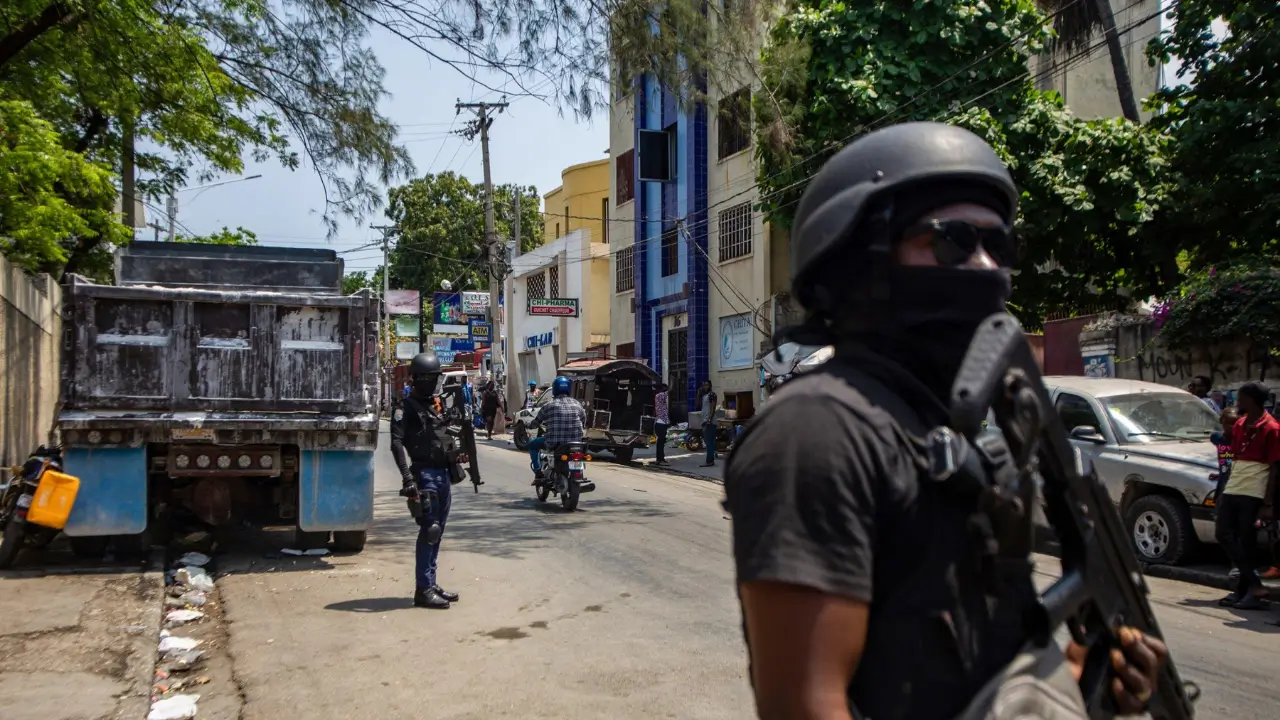
That condition places Haiti’s security crisis at the center of the political transition, with armed groups continuing to control much of the capital and expanding into other parts of the country.
Election timetable faces pressure from Haiti security crisis
Haiti has not held national elections since 2016. Several attempts to organize a vote have been delayed as successive transitional authorities struggled with political divisions, limited resources and widespread gang violence.
The Provisional Electoral Council previously planned to hold the first round in August 2026, but the vote was postponed because of security concerns. The council has since scheduled presidential and legislative elections for Dec. 13, with a runoff planned for Feb. 21, 2027.
Authorities have begun registering voters, training electoral security personnel and approving more than 300 political parties to participate. However, access to polling locations remains uncertain in communities controlled or threatened by armed groups.
Gangs aligned largely under the Viv Ansanm coalition control much of metropolitan Port-au-Prince and have expanded into central and rural areas, according to international assessments.
The latest instability follows a prolonged escalation in Haiti gang violence that has displaced civilians, disrupted public services and weakened the government’s control over key communities.
The violence has also affected transportation, commerce, education and access to health care. Humanitarian agencies continue to face difficulty delivering food, medicine and other essential supplies to communities affected by gang activity.
Extortion, kidnappings, killings and forced displacement have raised further concerns about whether election officials can establish secure voting centers and allow candidates to campaign freely.
Large-scale displacement could also complicate voter registration and prevent some Haitians from casting ballots in the communities where they were previously registered.
The electoral council has acknowledged that implementation of the election calendar will depend on improved security and sufficient funding. That leaves the Dec. 13 vote closely tied to the government’s ability to protect voters, candidates, election workers and polling locations.
CARICOM links Haiti’s stability to regional security
CARICOM has reaffirmed its support for Haiti’s political transition, saying regional and international cooperation remains essential to restoring security, strengthening democratic institutions and creating conditions for credible elections.
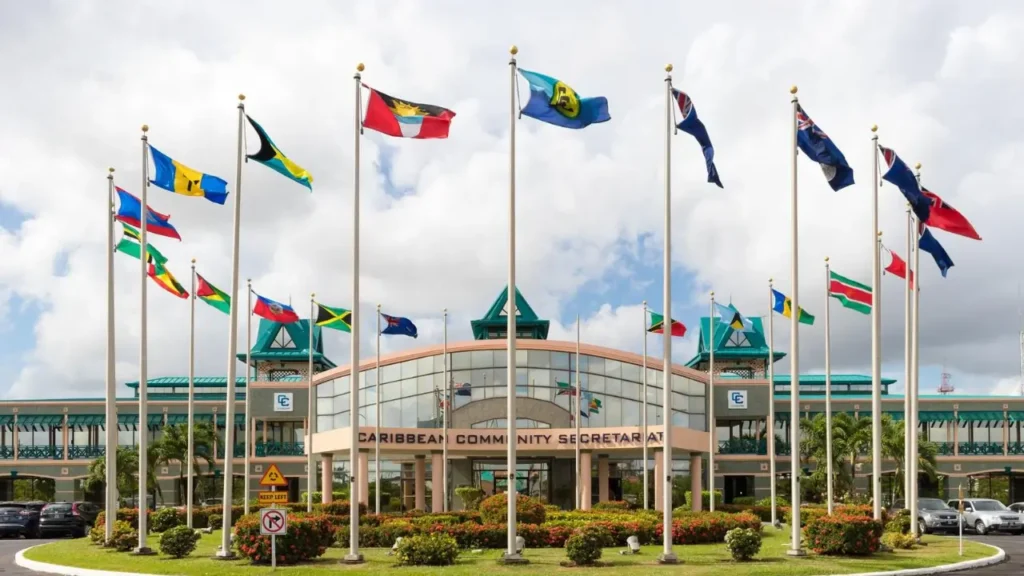
The regional bloc said restoring security, strengthening democratic institutions and completing the political transition are essential to allowing Haitians to freely choose their leaders.
CARICOM also described Haiti’s security as inseparable from the stability of the wider Caribbean, highlighting concerns that continued disorder could affect migration, trafficking, organized crime and humanitarian conditions across the region.
Heads of government pledged support for the renewal and full deployment of the international Gang Suppression Force, which is intended to assist Haitian authorities in confronting heavily armed groups.
CARICOM said it would continue working with Haitian officials, the United Nations, the Organization of American States and other international partners to establish conditions for credible and peaceful elections.
Regional leaders also backed the work of the CARICOM Eminent Persons Group, which has been engaging Haitian political parties, civil society organizations and government officials during the transition.
The group is expected to remain an intermediary between the government and stakeholders whose cooperation will be needed to reduce political tensions and build confidence in the electoral process.
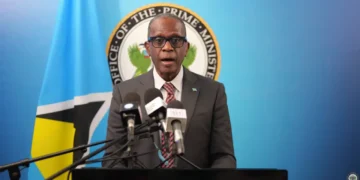
CARICOM said continued consultation between Prime Minister Alix Didier Fils-Aimé and political stakeholders would be critical as election preparations advance.
Humanitarian support remains part of response
CARICOM leaders reported incremental security improvements that have allowed humanitarian supplies to reach some communities more easily.
The regional bloc announced that Guyana would provide 500 tons of rice as part of an initial humanitarian assistance commitment to Haiti. CARICOM also agreed to consider an offer from The Bahamas to support a permanent regional presence in Port-au-Prince.
However, improvements in some areas have not eliminated the wider threat posed by armed groups or resolved the difficulties facing displaced families.
The international security response has faced shortages of personnel, funding and equipment, limiting its ability to help Haitian police regain sustained control of gang-held territory.
Security operations will need to protect voter registration sites, election workers, candidates, polling stations and the movement of ballots if the December election proceeds.
The challenge extends beyond election day. Any newly elected government would inherit weakened state institutions, widespread displacement, economic disruption and communities with limited access to public services.
Elections depend on conditions on the ground
Haiti’s election announcement marks an important step in a transition that has repeatedly missed political and electoral deadlines.
The country has been without an elected president since Jovenel Moïse was assassinated in July 2021. The Transitional Presidential Council established in 2024 ended its mandate in February 2026, leaving Fils-Aimé and the Council of Ministers responsible for governing during the interim period.
The December calendar now provides a formal target for restoring elected leadership, but Haitian electoral authorities have acknowledged that the dates cannot be separated from security conditions.
CARICOM’s position is that sustained national, regional and international cooperation is required to restore stability and create the conditions for free, credible and inclusive elections.
Whether Haiti can meet the Dec. 13 deadline will depend largely on the government’s ability to secure population centers, reopen access routes and protect citizens seeking to take part in the electoral process.