












CAIRO — US-Iran diplomacy faced renewed uncertainty Thursday after Washington and Tehran exchanged missile attacks, ending a brief military pause that had raised hopes of formal negotiations and a wider de-escalation across the Middle East.
The latest exchange returned the conflict to a pattern of strikes and retaliation after several days without reported direct attacks by either country. Mediators led by Pakistan and Qatar had been working to narrow differences between the two sides and restore an interim ceasefire framework.
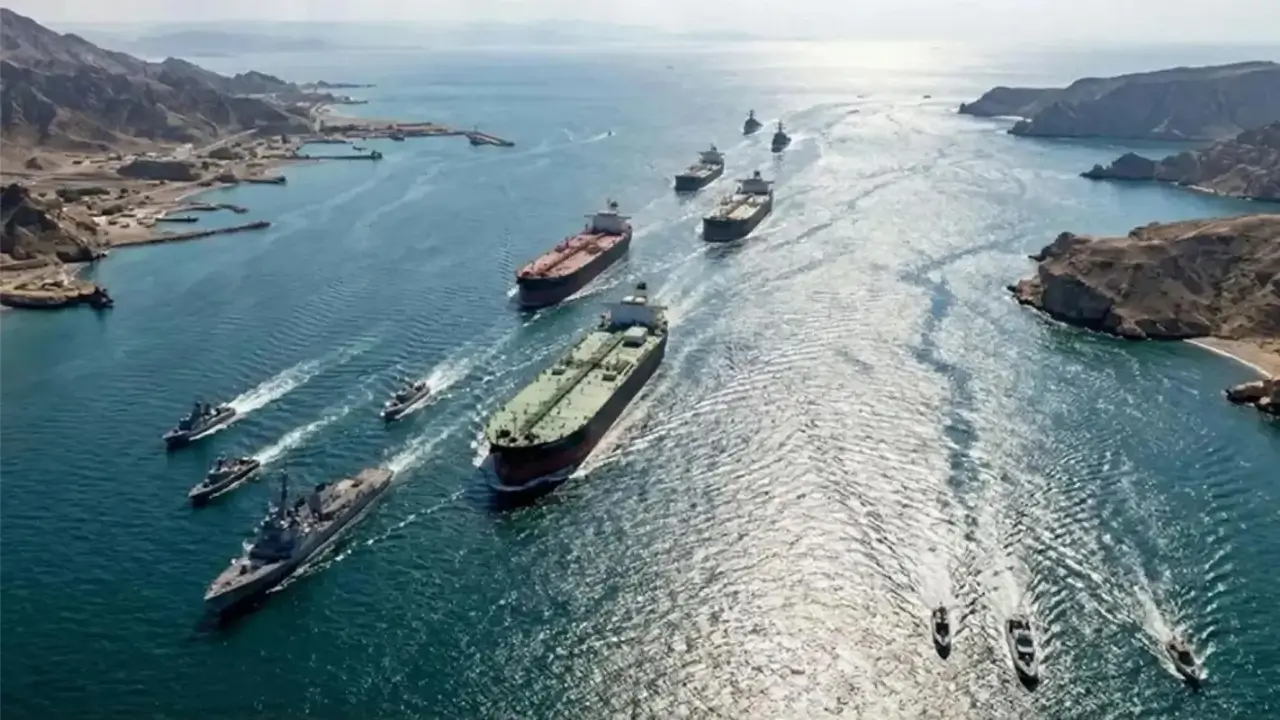
The renewed fighting has also deepened concerns about commercial shipping through the Strait of Hormuz, where traffic remains sharply below normal, and energy shipments continue to face security, insurance and logistical pressures.
Renewed attacks cloud prospects for US-Iran diplomacy
The United States military said it completed what it described as a heavy wave of strikes against Iranian targets after an earlier Iranian missile attack on a US base in Jordan.
US Central Command said the targets included military command centers and missile, drone, surveillance and defense facilities belonging to Iran’s Revolutionary Guard.
Iranian state media reported that three people were killed and two others were wounded in a strike on Qeshm Island, which lies near the Strait of Hormuz. The casualty claims could not immediately be independently verified.
Iran also launched missiles toward countries hosting US forces. Jordan said its air defenses intercepted five Iranian missiles Thursday, while Kuwait reported that a strike damaged a building and killed one worker.
The attacks followed a short period of relative calm during which neither the United States nor Iran reported conducting direct strikes for three days.
That pause had encouraged mediators seeking to restart negotiations after an interim ceasefire arrangement collapsed. Regional officials previously said Qatar and Pakistan were working to bridge the remaining divisions between Washington and Tehran.
Pakistani Foreign Ministry spokesperson Tahir Andrabi said talks were continuing to normalize the situation, particularly in the Strait of Hormuz, while warning that regional security remained precarious.
The latest attacks have reduced expectations that direct negotiations could begin soon. The renewed strikes have dimmed hopes for a quick diplomatic breakthrough, according to The Associated Press. The renewed attacks have reduced expectations of a rapid diplomatic breakthrough, although Pakistan said mediation efforts were continuing.
Strait of Hormuz traffic remains severely restricted
The Strait of Hormuz remains central to both the military confrontation and attempts to negotiate an end to the conflict. The latest disruption follows Iran’s earlier decision to close the Strait of Hormuz again as regional tensions intensified.
The narrow waterway connects the Persian Gulf with the Gulf of Oman and normally handles about 20% of global oil and natural gas shipments. Restrictions, attacks on commercial vessels and continuing military risks have disrupted those flows and pushed shipping companies toward longer and more expensive alternatives.
Ship traffic through the strait fell from 82 vessels during the week of July 13 to July 19 to 39 vessels during the week of July 20 to July 26, according to Lloyd’s List Intelligence data cited by the AP.
The decline shows that a pause in military operations does not immediately restore commercial confidence. Shipowners and insurers must assess the possibility of renewed attacks, crew safety, vessel damage and higher insurance premiums before sending cargo through the region.
The disruption has forced some Saudi oil shipments onto more complicated routes. Tankers have carried oil to Egypt’s Red Sea coast before the cargo is moved through pipelines to the Mediterranean and reloaded onto other vessels.
Those workarounds add time and cost to energy exports and cannot fully replace normal movement through the Strait of Hormuz.
Security concerns have also spread beyond the Persian Gulf. Drone strikes caused fires aboard two natural gas vessels at Egypt’s Damietta port Wednesday, according to Egyptian officials and the maritime security firm Ambrey.
Responsibility for those attacks was not immediately established, and no injuries were reported. However, the incident raised concern that commercial shipping and energy infrastructure outside the Strait of Hormuz could increasingly become exposed to the conflict.
Regional actors continue pressing for negotiations
Saudi Arabia has joined US operations against Iran-backed militias in Iraq while also urging Washington and Tehran to return to negotiations.
Saudi Defense Minister Khalid bin Salman met with President Donald Trump and Vice President JD Vance this week. During those discussions, he conveyed the kingdom’s support for de-escalation while warning that Saudi Arabia would not accept attacks on its energy facilities or other critical infrastructure.
The conflict has expanded to involve US allies and Iran-aligned armed groups across the region, increasing the difficulty of reaching an agreement limited to Washington and Tehran.
A formal diplomatic process would need to address the immediate military confrontation, the reopening of the Strait of Hormuz and the security of commercial shipping. Longer-term disputes over Iran’s nuclear program, sanctions and regional armed groups would remain unresolved.
The renewed missile exchanges do not necessarily end mediation efforts, but they have weakened the momentum created by the brief pause. Negotiators now face the challenge of restoring basic military restraint before shipping companies or energy markets are likely to treat any diplomatic opening as durable.