













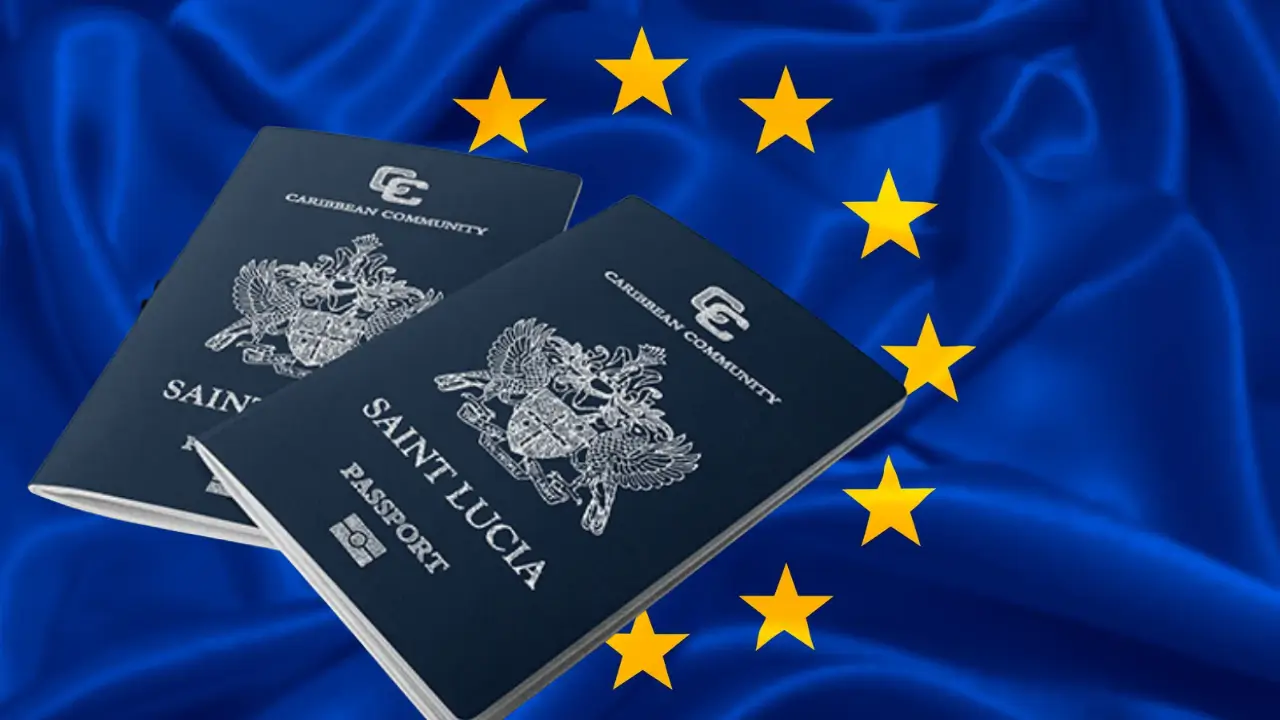
CASTRIES, St Lucia — The government says it will wait for a formal reply from the European Union before disclosing its position on the future of the St Lucia CIP. Brussels wants the Citizenship by Investment Programme phased out by June 2028, and EU rules allow it to suspend visa-free travel for nationals of countries with certain investor citizenship programs.
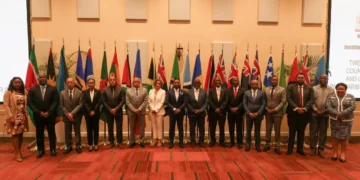
Prime Minister Philip J. Pierre confirmed at his Nov. 9 pre-Cabinet briefing that the government had sent the EU a letter setting out its position. St Lucia had until Nov. 12 to reply, an extension from the original Oct. 31 deadline. Deputy Prime Minister Ernest Hilaire led a delegation from the Organisation of Eastern Caribbean States to Brussels in October for talks on the programs.
Pierre initially said he or Hilaire would explain the government’s position once the EU acknowledged receiving the letter. At his Nov. 16 briefing, he said the government was waiting for a formal response. A Nov. 18 government statement reiterated that position and said talks with the EU would continue.
What the EU request means for St Lucian travelers
The EU has asked five Eastern Caribbean countries to phase out their investor citizenship programs by June 2028. The request covers St Lucia, Antigua and Barbuda, Dominica, Grenada, and St Kitts and Nevis. The five governments met in Dominica in July to review the European Commission’s position and discuss the implications of the revised visa rules.
Under the EU’s visa suspension rules, granting citizenship to investors who have no genuine link to a country can be grounds for suspending its visa exemption. The June 2028 date is the EU’s proposed deadline for ending the programs. Any suspension of visa-free access would require a separate EU decision.
The rules allow an initial suspension of up to 12 months, with a possible extension of up to 24 months. If the EU applied a suspension broadly to St Lucia, people who hold citizenship by birth could also need a visa for short trips to the Schengen area.
St Lucians already face a separate UK visitor visa requirement introduced in March. The British government cited concerns about citizenship by investment and asylum claims when it changed its entry rules.
St Kitts and Nevis Prime Minister Terrance Drew announced on Nov. 13 that his country would wind down its program. Drew said protecting the banking relationships that allow families to receive money from abroad and businesses to pay overseas suppliers was central to the decision. His government is negotiating a timetable with the EU.
What the St Lucia CIP contributes to public finances
Pierre says St Lucia relies less on citizenship revenue than some of its neighbors, but the program remains important to public finances and directly employs more than 30 people. The government said the National Economic Fund received EC$100 million between April 23, 2025, and March 31, 2026, with EC$65 million of that amount transferred to the central government.
The government also reported EC$34 million from program bonds and EC$150 million in surplus operating revenue. It said the surplus helps finance national security, health care, social development and infrastructure.
The government says it has expanded staffing and training at the Citizenship by Investment Unit and will continue strengthening applicant screening and oversight during the talks. It is also assessing a residency-by-investment option. Pierre says the government will explain what it told Brussels once it receives a formal reply.