








ST. JOHN’S, Antigua and Barbuda — Britain has agreed to structured talks on slavery and its legacy, giving the Caribbean reparations campaign a formal forum to press its case. The Caribbean Community wants the talks to cover its full plan, including debt cancellation and monetary compensation. Britain says it will consider calls for a formal apology and continues to oppose financial reparations.
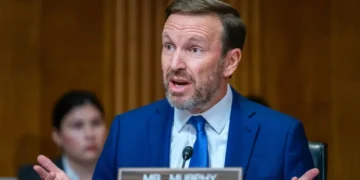
British Foreign Office Minister Chris Elmore told Parliament on Nov. 10 that Caribbean and African partners would help shape the discussions. He said the talks would run for a defined period and cover remembrance, education, culture and calls for an apology. He gave no start date.
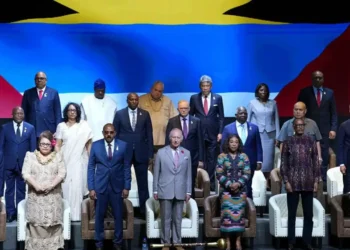
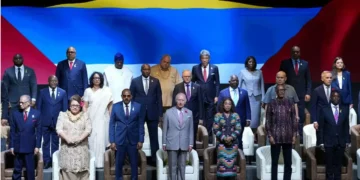
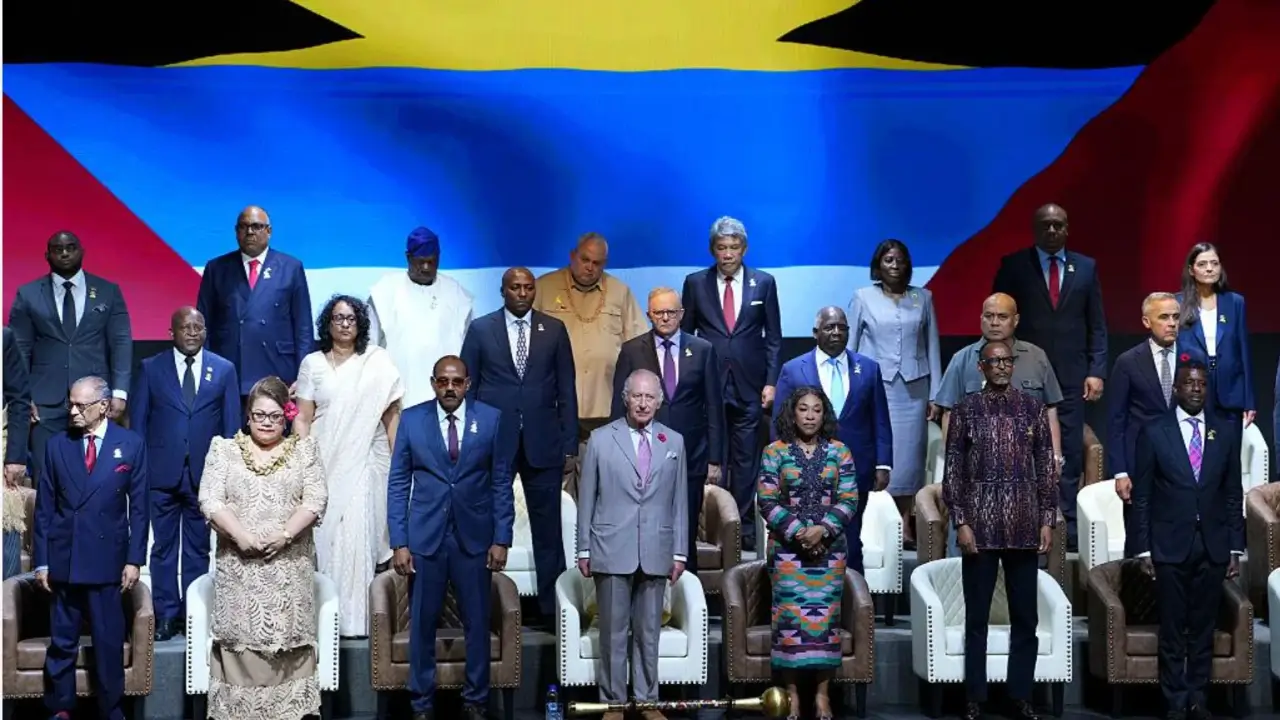
The statement followed the Nov. 1–4 Commonwealth summit in Antigua and Barbuda. In the summit communiqué, leaders welcomed Britain’s agreement to hold structured talks with those affected by the transatlantic slave trade. At the 2024 summit in Samoa, leaders had called for a conversation on reparatory justice. The Antigua communiqué recorded Britain’s commitment to take part.
Antigua and Barbuda Prime Minister Gaston Browne urged Commonwealth leaders at the Nov. 3 opening ceremony to build on the Samoa agreement by addressing the lasting effects of slavery and colonialism. The communiqué also acknowledged efforts by CARICOM and the African Union to advance reparatory justice and secure the return of cultural heritage.
What CARICOM wants from the Caribbean reparations talks
St Lucia Prime Minister Philip J. Pierre, speaking as CARICOM chair on Oct. 31, welcomed British Prime Minister Andy Burnham’s expression of sorrow and regret and his willingness to consider a formal apology. Pierre called an apology an essential first step and urged Britain to put every part of the regional plan on the agenda.
CARICOM leaders approved the revised Ten-Point Plan for Reparatory Justice in Gros Islet, St Lucia, in July. It calls for measures in public health and education, psychological rehabilitation and the return of cultural heritage, alongside debt cancellation and monetary compensation. Pierre said the dialogue should also address harms to Indigenous peoples and to people brought from India and China under colonial rule.
Pierre pointed to Britain’s decision to compensate enslavers after abolition, while formerly enslaved people received no compensation. He argued that Britain’s role carried obligations across generations and linked the legacy of slavery to disparities in health, education and economic opportunity across the Caribbean.
Burnham discussed next steps for the proposed dialogue with Barbados Prime Minister Mia Mottley on Nov. 2, according to Downing Street’s readout of the meeting. Mottley leads CARICOM’s prime ministerial subcommittee on reparations. Pierre said the subcommittee and the CARICOM Reparations Commission, chaired by Hilary Beckles, were ready to work with Britain on the terms, agenda and timetable.
Debt relief and infrastructure funding
Burnham also discussed reforming international debt arrangements with Mottley and spoke with World Bank President Ajay Banga about access to sustainable financing for small and developing countries. Downing Street said Britain would pursue the issue through the Commonwealth and its 2027 presidency of the Group of 20.
Pierre said CARICOM would examine the British debt initiative. He warned that income-based eligibility rules can exclude Caribbean countries from concessional relief even when they face severe risks from hurricanes and economic shocks. He urged Britain to take that vulnerability into account and said debt relief could not substitute for reparatory justice.
CARICOM has also sought to strengthen its voice in global climate talks, appointing St Lucian climate advocate James Fletcher as its climate envoy in 2025.
Britain separately announced a Caribbean infrastructure program worth up to £40 million. Elmore told the House of Commons that it would build on the UK Caribbean Infrastructure Fund and support renewable energy and projects designed to withstand the effects of climate change.
Browne said in a Nov. 7 interview on Point FM that he hoped the framework for the slavery talks would be ready by the end of 2026 so discussions could begin early in 2027, according to Today Antigua. The summit communiqué and Britain’s Nov. 10 parliamentary statement gave no agreed start date or final agenda.