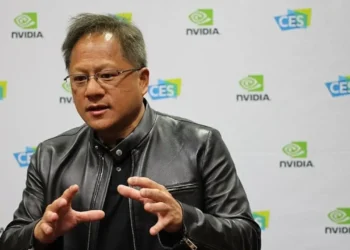



















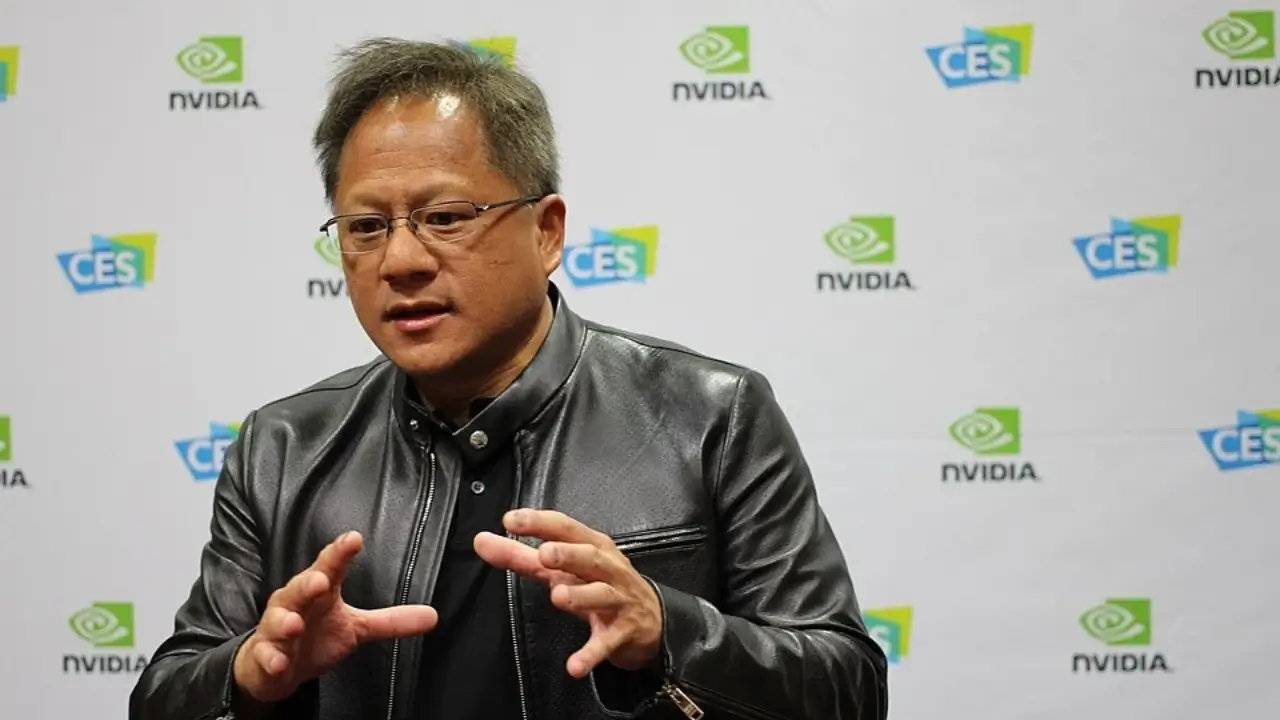
SANTA CLARA, California, US — Nvidia CEO resigns as Jensen Huang steps down as president, chief executive officer and a member of the company’s board, ending his 33-year leadership of the AI chipmaker as it begins a search for a permanent successor.
Nvidia named Executive Vice President and Chief Financial Officer Colette Kress as interim CEO. She will retain her CFO role while leading the company, according to Nvidia’s announcement of the leadership transition.
An SEC filing said Nvidia’s board accepted Huang’s resignation, effective immediately, on Nov. 11. The company publicly announced the leadership transition on Nov. 12.
Nvidia did not give a reason for Huang’s resignation in its announcement or regulatory filing. The departure comes days after the company opened an independent investigation into reports that Huang had been targeted by a foreign intelligence effort.
The board said Nov. 8 that it had no reason to believe US national security or Nvidia secrets had been compromised. Its statement announcing the investigation said an independent committee of directors, supported by outside counsel, would examine the available information.
Colette Kress takes charge as Nvidia CEO resigns
Colette Kress has served as Nvidia’s executive vice president and CFO since joining the company in September 2013. Before Nvidia, she held senior finance roles at Cisco and Microsoft.

The board said Kress has played an important role in Nvidia’s growth and has a detailed understanding of its business, operations, customers and financial position.
In a statement, Kress said her focus would remain on serving customers, partners, developers and shareholders while advancing the company’s work in accelerated computing and artificial intelligence.
Nvidia’s board has begun a search for a permanent CEO and said it will consider both internal and external candidates. The company did not set a timetable for selecting Huang’s successor.
The board also appointed longtime director Harvey C. Jones as its first chair. Jones has served on Nvidia’s board since 1993 and has held executive and investment roles in the technology sector.
Leadership change comes at a pivotal point for AI industry
Huang co-founded Nvidia in 1993 and built the company from a graphics-chip designer into a central supplier of infrastructure for artificial intelligence systems, cloud computing and data centers. Nvidia’s prominence has also placed it at the center of intensifying competition over AI hardware, including OpenAI’s previously reported plans to develop its own AI chips.
The transition comes during a period of rapid growth for Nvidia. The company reported $96.2 billion in second-quarter fiscal 2027 revenue, up 106% from a year earlier. Its data-center revenue reached $89 billion, up 117% year over year.
Nvidia forecast third-quarter revenue of about $108 billion, plus or minus 2%, in its August earnings release. It is scheduled to report third-quarter fiscal 2027 results on Nov. 17.
The upcoming earnings release will be an early test of how Nvidia communicates with investors under its interim leadership. Kress had previously been scheduled to provide written CFO commentary ahead of the company’s earnings call, which is set for 2 p.m. Pacific time that day.
Nvidia said it expects operations, customer commitments and its technology roadmap to continue without interruption during the transition.
Board investigation remains unresolved
The independent directors said Nov. 10 that they retained former acting US Attorney Joon H. Kim and law firm Wachtell, Lipton, Rosen & Katz to conduct the investigation announced two days earlier.
The company has not said whether the investigation is connected to Huang’s resignation, whether it remains ongoing, or when it expects to provide another update.
In a Nov. 8 message to Nvidia employees, Huang acknowledged personal misconduct and apologized to his family, colleagues, partners and shareholders. He also said he would cooperate with the board’s review.
Nvidia’s latest disclosures do not identify a permanent successor, explain the circumstances of Huang’s departure or outline any changes to the company’s business strategy. Those questions are likely to remain central for investors, customers and the wider AI industry as the board conducts its CEO search.