














WASHINGTON, US — The Federal Aviation Administration ordered an unprecedentedly broad nationwide ground stop Friday, November 13, halting flight departures across the United States amid safety concerns and reports of air traffic control communications failures.
The FAA nationwide ground stop instructed departing aircraft to remain on the ground until further notice, disrupting aviation operations across the country and creating uncertainty for passengers, airlines and airports.
The emergency directive was issued by the FAA’s Air Traffic Control System Command Center, which manages the flow of aircraft through the national airspace system.
The agency cited extraordinary circumstances and safety considerations but did not immediately provide a comprehensive explanation of the emergency.
International flights were to be handled individually, according to the FAA advisory, leaving airlines and airport operators awaiting further operational instructions.
Communications problems precede nationwide flight suspension
The nationwide order followed reports of serious air traffic control communications problems affecting parts of the United States.
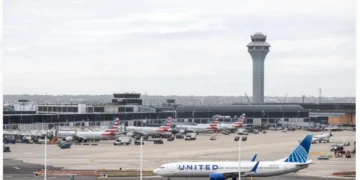
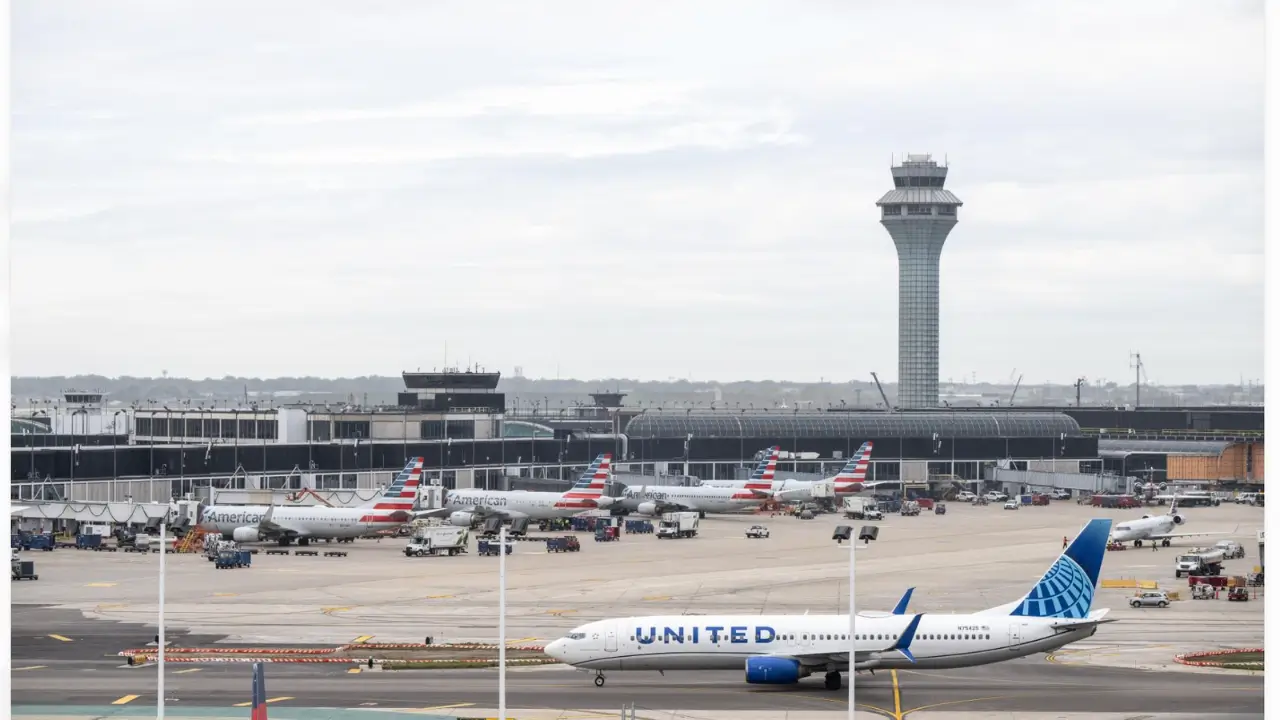
Earlier Friday, departing flights in Chicago had been halted amid communications difficulties, according to reporting on the developing incident.
Additional reports indicated that radio frequency outages had affected certain areas of the national air traffic control network.
The precise nature, geographic extent and underlying cause of those problems remained unclear.
Authorities had not established whether the disruptions resulted from equipment failures, a broader technical malfunction or another cause.
The FAA has previously imposed temporary flight restrictions during major aviation technology disruptions. In August 2025, a United Airlines technical issue prompted ground stops at several major US airports, disrupting departures and delaying hundreds of flights.
The FAA’s decision to suspend departures nationwide represents an extraordinary intervention in US aviation operations, where air traffic controllers rely on continuous communications to maintain safe separation between aircraft and coordinate movements between airports.
A nationwide ground stop is considerably broader than the localized restrictions routinely imposed during severe weather, airport congestion or equipment problems.
The directive affects the ability of airlines to launch scheduled departures even at airports where local operating conditions might otherwise permit flights.
US flight disruptions threaten widespread delays
The ground stop has implications for major airports and airline networks throughout the United States, including international gateways that depend on tightly coordinated flight schedules.
Airports such as Los Angeles International Airport and Philadelphia International Airport were among those affected by the nationwide directive.
Because airlines operate interconnected route networks, the nationwide suspension could trigger widespread flight delays, disrupting aircraft positioning, crew assignments and connecting services across the United States.
Even after a nationwide restriction is lifted, airlines may need additional time to reposition aircraft, restore flight schedules and accommodate stranded passengers.
The extent of those disruptions will depend on how long the ground stop remains in effect and how quickly normal air traffic control operations can resume.
No verified nationwide total of canceled or delayed flights was available in the initial reporting reviewed for this article.
International flights face uncertainty
The FAA’s instructions provide for international flights to be managed on a case-by-case basis, creating potential complications for airlines operating between the United States and overseas destinations.
The disruption could affect flights linking major US airports with Europe, Latin America and the Caribbean, including services used by passengers traveling to and from St Lucia.
However, no specific disruption to flights serving St Lucia had been independently confirmed in the information reviewed.
International passengers connecting through US airports could also experience delays if their onward flights are affected by the restrictions.
Travelers scheduled to depart should consult their airlines for flight-specific information rather than assume that a published departure time remains valid.
Airlines will determine how individual bookings, connections and rebooking arrangements are handled as additional information becomes available.
FAA nationwide ground stop raises safety questions
The FAA oversees the safety and efficiency of the US national airspace system, which accommodates commercial airlines, cargo operators, private aircraft and other aviation activities.
Air traffic control communications are essential to that system, allowing controllers to issue instructions, coordinate aircraft movements and manage traffic across different sectors of airspace.
A disruption affecting those communications can create operational risks, particularly when controllers cannot reliably exchange information with aircraft or other control facilities.
Ground stops are among the measures available to aviation authorities when conditions make it necessary to restrict aircraft movements.
By preventing additional departures, controllers can limit the number of aircraft entering the airspace while operational problems are assessed.
The nationwide directive does not, by itself, establish that aircraft already airborne were experiencing emergencies or that the entire air traffic control system had failed.
The precise circumstances behind Friday’s action remain central to determining the seriousness of the incident and the measures required to restore normal operations.
Airlines await FAA clearance to resume departures
The FAA had not announced a confirmed nationwide resumption time in the initial reports reviewed.
The duration of the ground stop, the full extent of the communications problems and the number of affected flights remained unresolved.
The agency’s next operational instructions will determine when departing aircraft can begin moving again and whether additional restrictions are necessary.
Passengers are advised to monitor official airline notifications and the FAA’s National Airspace System Status for updated information on flight restrictions, airport disruptions and operational conditions.
The immediate priority remains establishing the cause of the communications problems and determining when nationwide departures can safely resume.