
















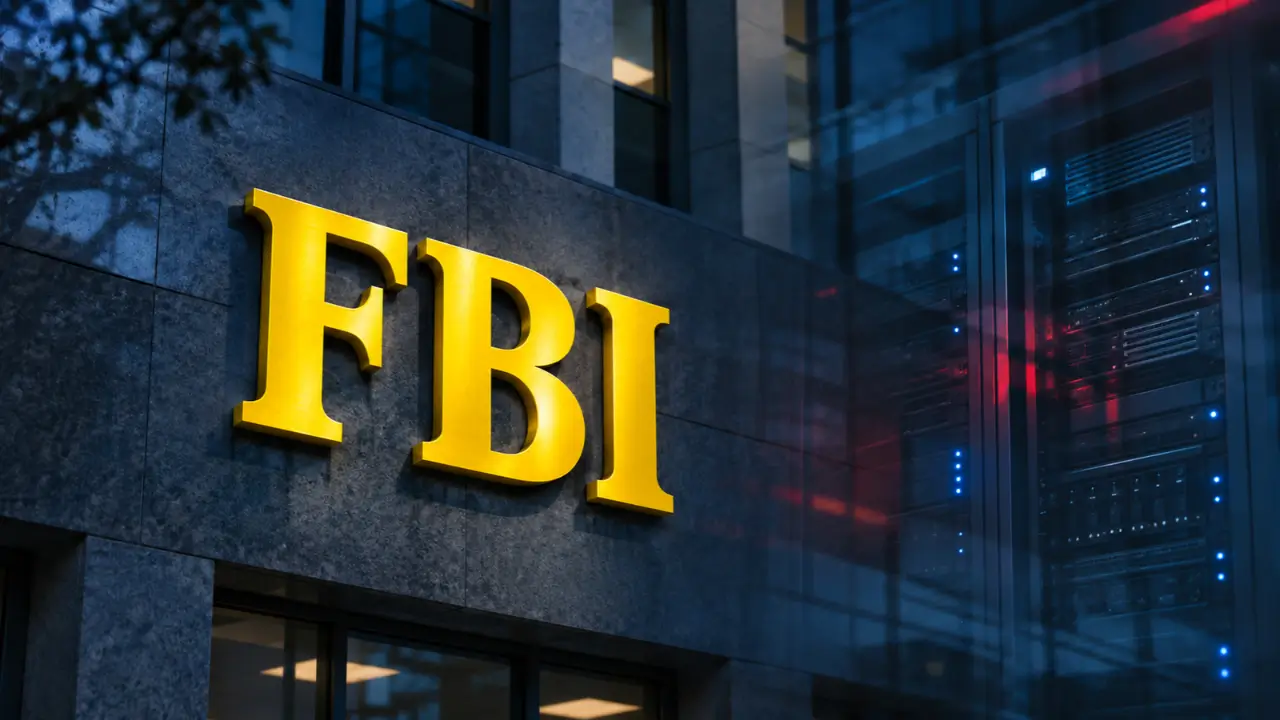
WASHINGTON, US — The FBI is investigating a suspected breach of the FBI crime database that police use to check warrants, find missing people and identify stolen property across state lines, a person familiar with the matter told The Associated Press on Saturday. Federal officials have yet to say whether anyone copied, altered or deleted records.
The FBI declined to comment to the AP. CNN first reported the investigation Friday, citing two people briefed on the matter. Authorities have yet to identify who was responsible, explain how anyone gained access or say whether police departments had trouble using the system.
President Donald Trump addressed the incident Saturday in a phone interview with Fox News. “We just heard about it, and I will say that it’s not good,” he said. He gave no details about the scope of the suspected breach.
How police verify records in the FBI crime database
A former FBI official who investigated cybercrime told CNN that the suspected breach raised questions about whether officers could still rely on the accuracy of the information they see in the field. If someone deleted a wanted-person record, a search might fail to flag an active warrant. Authorities have reported no confirmed changes to records.
The FBI launched the National Crime Information Center, known as NCIC, in 1967. Its Criminal Justice Information Services Division maintains the database, and agencies across the country contribute records. An officer stopping a vehicle can check whether another jurisdiction reported it stolen or listed the driver as wanted.
When a search returns a match on an active record, FBI policy requires officers to verify it with the agency that entered it before taking action, according to a Justice Department privacy assessment. For a warrant, that means confirming it remains valid and applies to the person the officer has encountered.
The system also contains records on stolen firearms, protection orders and unidentified people. Some records can include dates of birth, driver’s license numbers or Social Security numbers. A protection order record can include identifying information about the person it protects. Which files, if any, someone accessed would help establish whose information could have been exposed.
The database held more than 19.3 million records at its peak in fiscal 2025, according to the FBI division’s annual review. The bureau recorded more than 2.6 billion name searches across the system during calendar year 2025.
Agencies made 498,038 entries in the missing-person file that year, according to FBI statistics. That figure can include more than one report involving the same person. The file held 88,093 active records at year’s end. Federal law requires agencies to enter records for missing people younger than 21.
Separate USDA cyber incident delays farm services
The FBI investigation became public after technology outages affected the National Security Agency, banks and the US air traffic control system. Trump administration officials attributed those disruptions to system upgrades and work to fix vulnerabilities. No connection between those outages and the suspected FBI breach has been reported.
The Nov. 13 air traffic control outage prompted a nationwide ground stop. The Federal Aviation Administration said a surge of data destabilized older equipment, disrupting aircraft communications and radar feeds at 17 of its 22 en route control centers. The FAA and its network provider were still investigating what triggered the surge.
A separate cyber incident disrupted US Department of Agriculture systems that help deliver loans and payments to farmers. NBC News, citing two former department officials familiar with the matter, reported that an intrusion affected a farm payment system and that the department notified employees Thursday.
An internal email reviewed by Nextgov said USDA staff had to reset database passwords and restart affected applications. DTN reported delays involving Farm Service Agency loan software and Natural Resources Conservation Service tools used to release payments and map conservation projects.
Richard Fordyce, the USDA’s undersecretary for farm production and conservation, told reporters Friday that no data had been lost and that restoration work was underway, DTN reported. He said he expected most systems to return by the end of Friday, with work continuing over the weekend if needed. Authorities have announced no link between the USDA incident and the suspected FBI breach.
Earlier FBI inquiry involved recruitment website
In September, the FBI said it was investigating a claim by the cybercrime group ShinyHunters that it had compromised the bureau’s recruitment website and obtained personal information about employees and job applicants. The bureau said it was working with outside providers that supported the site and had yet to determine where the alleged breach occurred.
Federal authorities have disclosed no connection between the recruitment case and the suspected NCIC intrusion. The FBI has yet to release a timeline for the latest incident, describe its containment measures or say whether it has notified agencies that their records may have been affected.