















PORT OF SPAIN, Trinidad and Tobago — Trinidad and Tobago has signed Caribbean AI deals with two U.S. companies to pursue large-scale data centers, opening a potential new source of technology investment while raising concerns about electricity consumption, environmental effects and pressure on the country’s water supplies.
The memorandums of understanding with Hummingbird AI Holdings and Ernst & Young LLP outline plans for a 300-megawatt data center and a separate 150-megawatt artificial intelligence infrastructure and data center facility.
Together, the proposed developments would have a combined capacity of 450 megawatts. The agreements mark the first such arrangements between U.S. companies and a Caribbean nation, according to reporting by The Independent.
The agreements are preliminary and do not guarantee that either facility will be built. Further negotiations, technical studies and due diligence would be required before the projects advance to construction.
Caribbean AI deals put Trinidad at regional forefront
The agreements could position Trinidad and Tobago as an early Caribbean destination for the infrastructure required to support artificial intelligence, cloud computing and other data-intensive services.
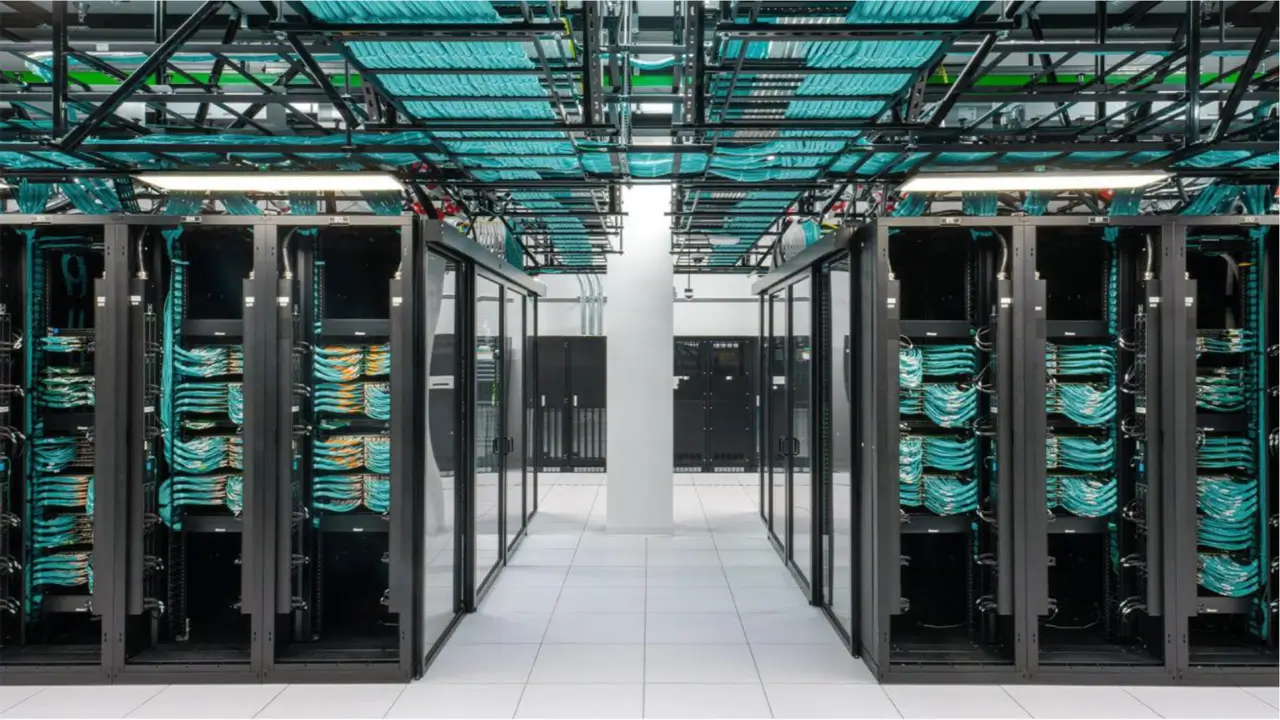
Data centers contain the servers, storage equipment and networking systems used to process and manage large volumes of digital information. Their global importance has increased as artificial intelligence platforms require greater computing capacity and more powerful infrastructure.
Under one agreement, Ernst & Young would work with third parties on the proposed 300-megawatt facility.
The separate agreement involving Hummingbird AI Holdings covers preliminary cooperation and due diligence for the proposed 150-megawatt AI infrastructure and data center project.
The government has not disclosed the proposed locations, construction schedules or total investment value of the facilities.
It has also not released details concerning financing, land use, ownership arrangements, tax concessions or the infrastructure that may be required to connect the developments to Trinidad and Tobago’s electricity and water systems.
Those terms will be important in determining the projects’ economic value and whether the government or developers would bear the cost of any major utility upgrades.
Government projects more than 5,000 jobs
The data center proposals form part of a wider effort to attract foreign investment, alongside plans to recommission a local steel plant.
The government said the three initiatives could collectively generate more than 5,000 jobs and were facilitated by the U.S. government.
No breakdown was provided showing how many positions would come from each project. Officials also did not distinguish between temporary construction employment and permanent jobs after the facilities become operational.
Building the data centers could create work for contractors, engineers, electricians and other construction professionals.
Long-term operations could also require workers with technical expertise in information technology, networking, electrical systems and data center maintenance.
The eventual employment benefit, however, will depend on the number of permanent positions created, the level of automation at the facilities and whether Trinidad and Tobago has enough trained workers to fill specialized roles.
Data centers can require substantial labor and spending during construction but operate with smaller workforces once completed.
Local training and workforce development could therefore determine whether the projects create lasting opportunities for Trinidad and Tobago nationals or depend heavily on technical workers recruited from abroad.
The developments could also generate indirect business for telecommunications providers, maintenance contractors, security companies and other firms supplying services to the facilities.
Water shortages drive concern over projects
The proposed scale of the facilities has raised questions about whether Trinidad and Tobago’s utility systems can meet the additional demand without worsening conditions for households and existing businesses.
Large data centers require continuous electricity to operate servers, networking systems and cooling equipment. Some facilities also use substantial amounts of water to prevent computer equipment from overheating.
Those requirements have become a central concern because Trinidad and Tobago has experienced chronic water shortages.
The government has not disclosed how much water the proposed data centers would consume or whether they would rely on the public water system.
It is also unclear whether the developers would be required to construct dedicated water supplies, use recycled water, invest in desalination or adopt cooling systems designed to reduce consumption.
Without those details, the potential effect on communities already experiencing unreliable service cannot be fully assessed.
The projects could place additional pressure on the government to show that industrial and technology investments will not receive priority access to water while residents continue to face shortages.
Electricity demand raises wider energy questions
The proposed combined capacity of 450 megawatts also raises significant questions about how the facilities would be powered.
Data centers require reliable electricity around the clock. Even brief interruptions can disrupt services, damage equipment and create financial losses for operators and their customers.
The government has not explained how much electricity the projects would consume, whether new generating capacity would be needed or what effect the additional demand could have on the national grid.
It has also not said whether the facilities would be powered primarily by natural gas or required to incorporate renewable energy, battery storage or energy-efficiency measures.
The Independent cited a United Nations University report estimating that data centers could account for nearly 3% of projected worldwide electricity consumption by 2030.
The rapid expansion of artificial intelligence has intensified scrutiny of the power needed to operate data centers and the environmental consequences of generating that electricity.
For Trinidad and Tobago, the projects could create a new market for its energy sector while also increasing domestic demand and potentially complicating efforts to reduce emissions.
The eventual effect will depend on the facilities’ design, energy sources and the conditions imposed through final agreements and environmental approvals.
Environmental safeguards remain unclear
The government has not announced whether environmental impact assessments have begun or what safeguards would apply to either development.
Such reviews could examine electricity consumption, water use, land requirements, emissions, construction effects and the disposal of electronic equipment.
Data centers periodically replace servers, batteries and other components, creating electronic waste that requires proper handling.
Environmental assessments could also determine whether the proposed locations are suitable for developments of this size and whether nearby communities would face noise, traffic, water or other effects.
The memorandums give Trinidad and Tobago an opportunity to attract investment in a rapidly expanding global industry and establish itself as an early Caribbean center for artificial intelligence infrastructure.
Their long-term value, however, will depend on the final agreements, the number and quality of jobs created, and whether the government can demonstrate that the projects will not worsen water shortages or place an unsustainable burden on the electricity system.
The next stage will require greater disclosure on financing, construction timelines, utility requirements and environmental protections before the benefits and risks of the Caribbean AI deals can be fully measured.