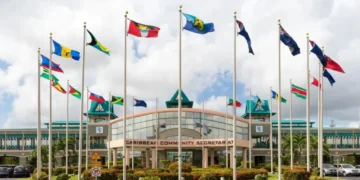










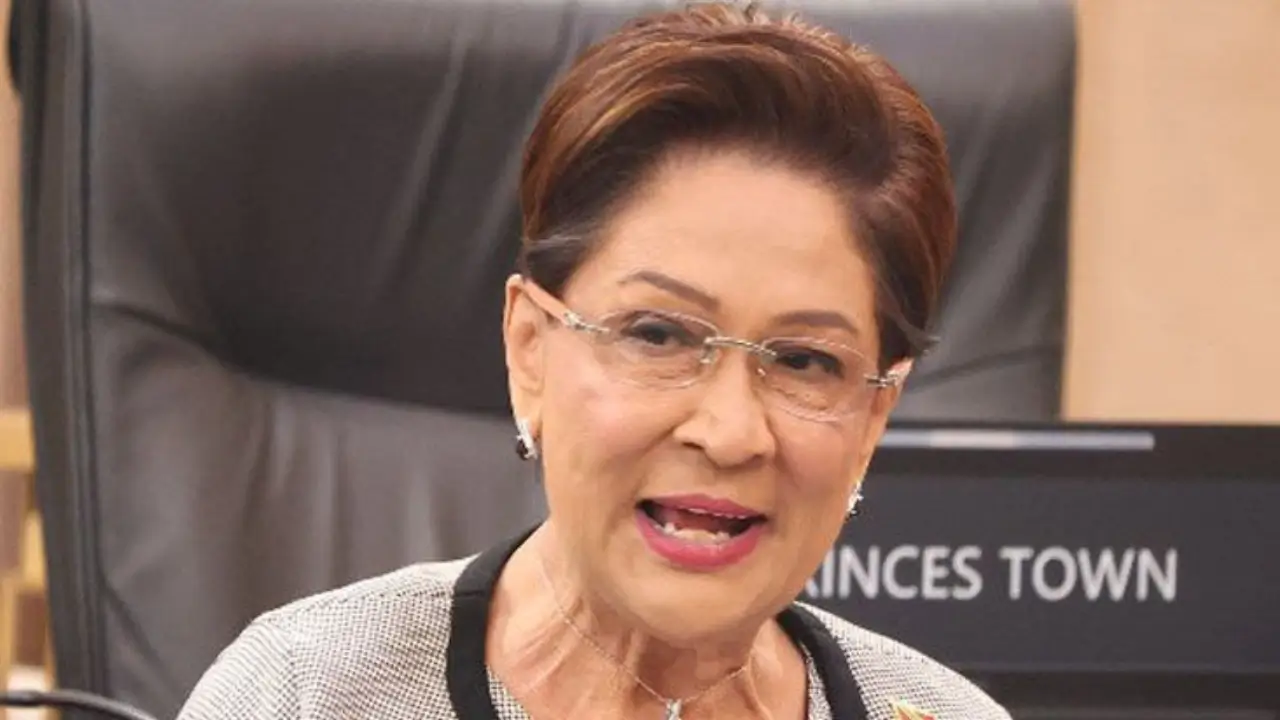
PORT OF SPAIN, Trinidad and Tobago — The Caricom summit opening this weekend in St Lucia arrives already strained by a formal rejection from Trinidad and Tobago, which says it will not recognize a new term for Secretary-General Dr Carla Barnett.
Prime Minister Kamla Persad-Bissessar confirmed her attendance at the 51st Regular Meeting of the Conference of Heads of Government, telling the Express she had spoken directly with incoming chairman and St Lucia Prime Minister Philip J. Pierre ahead of the gathering. The summit runs from July 5 to 8 in Gros Islet.
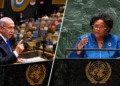
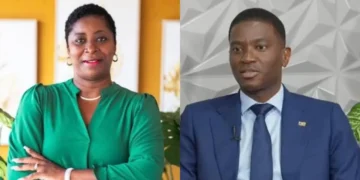
Persad-Bissessar said her government considers the process used to secure Barnett’s re-appointment inconsistent with the Revised Treaty of Chaguaramas, the legal framework governing the regional body. Trinidad and Tobago has formally notified other member states of its position and says it will not accept a term it regards as arising from an unlawful process.
Legal Dispute Centers on Treaty Authority
The disagreement turns on whether the Conference of Heads of Government had legal standing to extend Barnett’s tenure past its scheduled expiry in August. Trinidad and Tobago’s objection to the reappointment predates the summit, and the government says its position is supported by formal legal advice.
The matter is expected to surface during Caricom summit discussions as leaders attempt to resolve the impasse before Barnett’s current term lapses. An unresolved dispute over the Secretary-General’s legitimacy could complicate the bloc’s institutional decisions at the same moment Pierre assumes the chairmanship.
Pierre Sets Unity as Chairmanship Priority
Pierre takes over the Caricom chairmanship on July 1 and will serve through December 31, succeeding St Kitts and Nevis Prime Minister Dr Terrance Drew. In a statement issued Monday, Pierre said the region faces economic and social pressures that demand closer cooperation among member states.
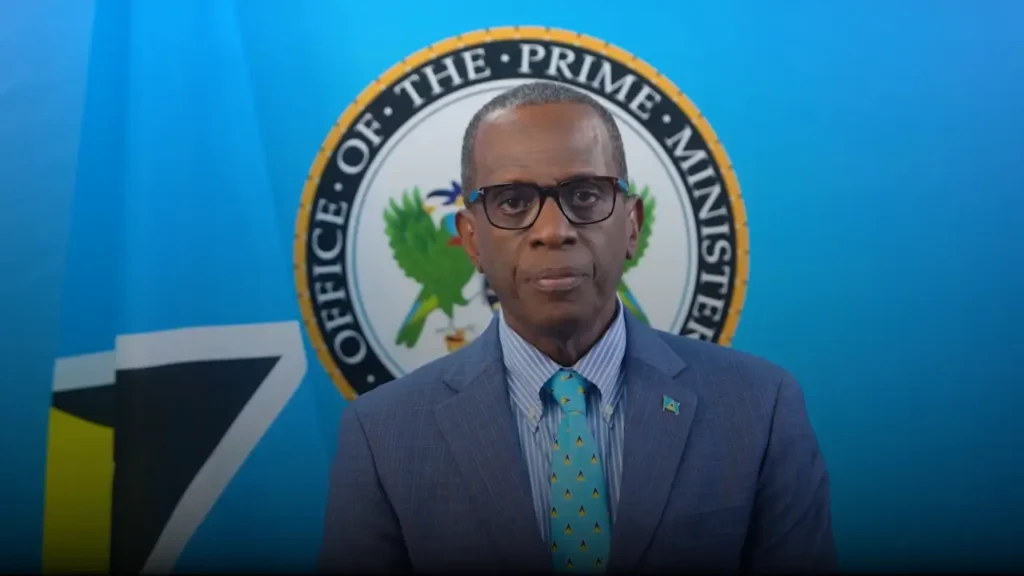
He said his tenure would focus on making Caricom’s work tangible in daily life, citing climate resilience, food and nutrition security, digital transformation, trade expansion and freer movement of people and skills as priorities. Pierre argued that regional integration only holds value if citizens can feel its direct effects.
He also called for stronger solidarity among member states, describing the region’s cultural diversity as a strength rather than a barrier to unified action, and urged governments to prioritize security alongside economic development.
Pierre’s remarks set an aspirational tone for a summit now expected to double as the venue for resolving a leadership dispute dividing member governments over questions of legal process and institutional authority. How Caricom leaders handle the Barnett standoff in Gros Islet will test whether Pierre’s call for unity can hold through the bloc’s first major governance conflict of his term.