













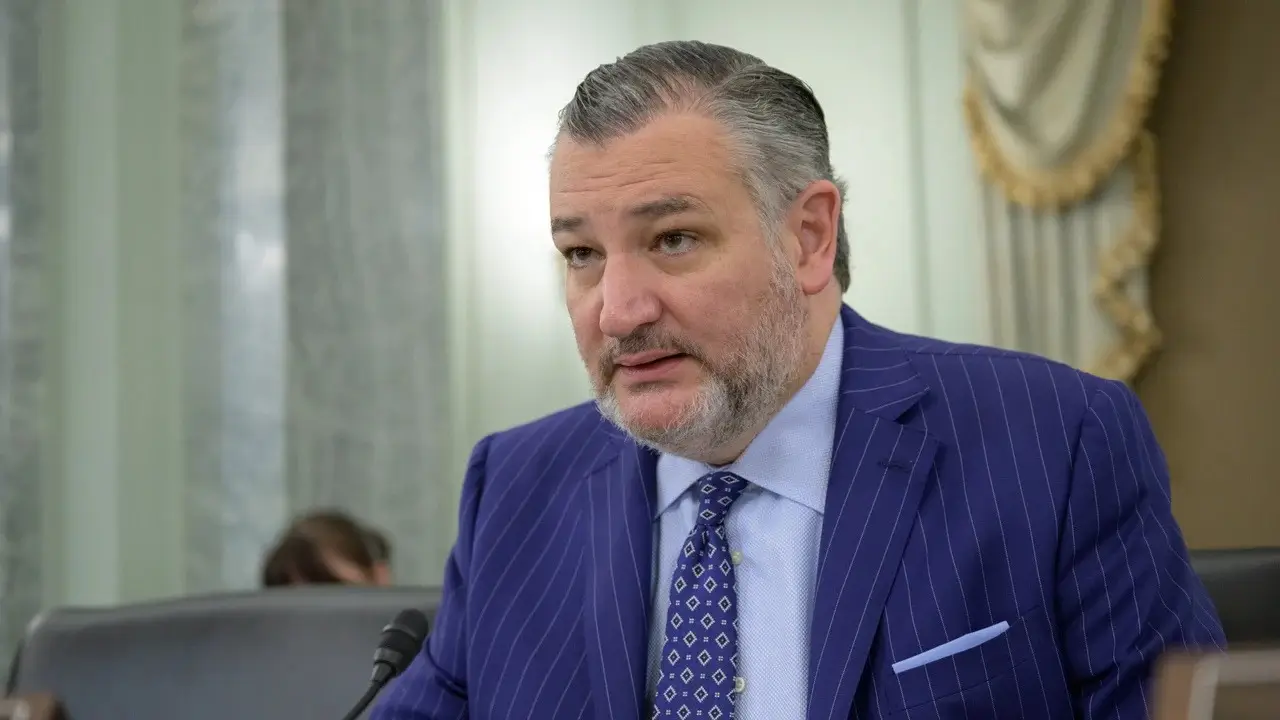
TEXAS, US — Republican Sen. Ted Cruz said his party lost the House and Senate because it failed to respond to the rising cost of everyday life, and urged Republicans to win back working-class voters after Democrats swept statewide races in Texas.
Cruz called the results a “blue tsunami” and a “Watergate-level repudiation” in remarks he posted on X and delivered on the Nov. 4 episode of his podcast, Verdict with Ted Cruz. He estimated that Republicans could lose eight to 10 US Senate seats and singled out defeats in states his party had long counted on, including Kansas, Iowa and South Carolina.
Ted Cruz argued that voters who might ordinarily support Republicans turned out and backed Democrats. He also said evangelical Christians showed up in smaller numbers and with less enthusiasm than in previous elections.
Texas, he said, was where the losses hit hardest. Cruz said he had warned for weeks that Republicans could lose every statewide race on the ballot. The result, he said, would give Texas both a Democratic governor and a Democratic US senator after more than three decades without either.
Why Ted Cruz says the GOP lost working-class voters
Cruz said too many Republicans pointed to a strong stock market and rising incomes while voters were struggling to pay for groceries, fuel and insurance. He pointed to shoppers using installment loans for groceries and workers drawing on retirement savings to make the case that broad economic indicators had obscured the strain on household budgets.
He cited Kansas as an example. According to exit polling Cruz described, about 31% of voters there ranked the cost of living, energy and groceries as their top issue. Corruption came next at about 19%, followed by the cost of the Iran war at about 10%. Cruz gave the figures without naming the pollster or describing its methods.
Cruz blamed tariffs for raising prices and said the war with Iran had gone on too long and should end. He also pointed to rising electricity bills at a time when investors were making fortunes from the expansion of artificial intelligence and data centers. He said Republicans had underestimated how angry voters were about that divide.
Cruz calls for Republicans to rebuild their voter coalition
Cruz said Republicans needed to regain support among working-class voters, farmers and ranchers, evangelical Christians, young people and Hispanic voters. He described the losses in rural areas as a consequence of the party alienating voters it had come to rely on. In Texas, he said, Hispanic voters who had helped Republicans make gains in 2024 shifted back toward Democrats.
He argued that Republicans had done too little during the campaign to explain two federal policies he helped write, Trump Accounts for children and a tax credit for donations to organizations that award school scholarships. He said the party should build on those policies by giving more Americans a chance to invest and accumulate wealth. He framed that as part of a longer-term effort to win back younger voters.
Cruz offers cooperation with Talarico on Texas priorities
Cruz said he called Talarico on election night to congratulate him and offered to work with him on issues affecting Texas. He named flood relief for the Hill Country and an effort to bring a space academy to the state as two areas where they could cooperate.
He also forecast fights over taxes, energy policy and investment in artificial intelligence. Cruz said Texas Democrats might pursue a state income tax or a wealth tax, and predicted that Democrats in Congress would use hearings and subpoenas to investigate President Donald Trump and his administration. He pledged to oppose proposals he believed would raise taxes or cost Texas jobs.
Cruz said the party’s work over the next two years would include rebuilding support among the voters it lost. In Texas, the first areas he identified for possible cooperation with the incoming Democratic senator were flood recovery and the space academy bid.