















EASTERN CARIBBEAN — Opposition figures from five countries are calling for immediate parliamentary statements on what their governments told the European Union in the Caribbean CIP talks. They want governments to disclose any commitments to wind down citizenship by investment programs and explain how they would fund public services and infrastructure projects if the revenue falls.
The joint statement, dated Nov. 18, was signed by St Lucia Opposition Leader Allen Chastanet, Grenada Opposition Leader Adrian Joseph, Antigua and Barbuda Opposition Leader Jamale Pringle, People’s Action Movement leader Shawn Richards of St Kitts and Nevis, and United Workers Party leader Thomson Fontaine of Dominica.
“Diplomatic confidentiality cannot justify indefinite secrecy about decisions with such far-reaching national consequences,” the statement said. The signatories said sensitive details could be shared in confidential briefings while governments publicly explain their positions, the options available and what those choices could mean for travel, jobs and public finances.
Where governments stand in the Caribbean CIP talks
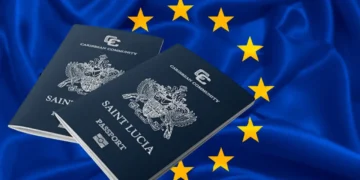
The European Commission has asked the five countries to phase out their programs by June 1, 2028. Under the EU’s revised visa rules, granting citizenship to investors who have no genuine link to a country can be grounds for suspending visa-free travel to the Schengen area. The signatories said Nov. 12 was the deadline for governments to communicate their positions. Program closures and any suspension of visa-free travel would require separate decisions.
St Kitts and Nevis Prime Minister Terrance Drew announced Nov. 13 that his government would wind down its program on a timetable still being negotiated with the EU. Antigua and Barbuda’s Citizenship by Investment Unit said its government had indicated its intention to wind down the program and requested a transition through the end of 2030.
In St Lucia, Prime Minister Philip J. Pierre said at his Nov. 16 briefing that his government had submitted its position in writing and would wait for a formal EU reply before releasing the contents. His office reiterated that position on Nov. 18.
Opposition asks whether banks have issued warnings
Drew said protecting correspondent banking relationships was a factor in his government’s decision. Those relationships allow local banks to process cross-border transactions, including remittances, payments to overseas suppliers and card purchases by visitors.
The signatories asked governments to say whether any foreign authority, regulator or correspondent bank had issued a specific warning. They called for the Eastern Caribbean Central Bank and the banking sector to assess the risk and help plan for possible disruptions. The statement cautioned that changes to visa-free access would not automatically affect banking relationships.
Five demands for a managed transition
The signatories called for:
- Immediate parliamentary statements on each government’s response to the EU, any commitments made, proposed timelines and matters still under negotiation, with confidential briefings for opposition representatives where needed.
- A coordinated regional negotiating position that addresses security concerns and seeks a fair transition, development assistance and sustainable alternatives for investment, with each government accountable to its own citizens.
- An audit of public revenue and spending tied to the programs, including fund balances and obligations and outstanding commitments to developers and infrastructure projects.
- Strict applicant screening, transparent accounting and independent oversight during any transition, with no discounting, rushed approvals or new commitments without secure financing.
- Economic transition plans developed with businesses, workers and civil society to support investment, jobs and sustainable government revenue.
International Monetary Fund staff estimated that total inflows tied to the programs may have amounted to about one-fifth of the Eastern Caribbean Currency Union’s gross domestic product in 2023. The estimate includes private investment as well as government receipts.
The signatories acknowledged the programs’ contribution to regional development and urged the EU to help small island states find alternatives to the financing it is asking them to give up. They said they were ready to take part in national and regional discussions and called on governments to provide the information they would need to participate.
Drew said St Kitts and Nevis would continue operating its program during the transition and announce the final date for accepting applications once the government and the EU agree on it.