
















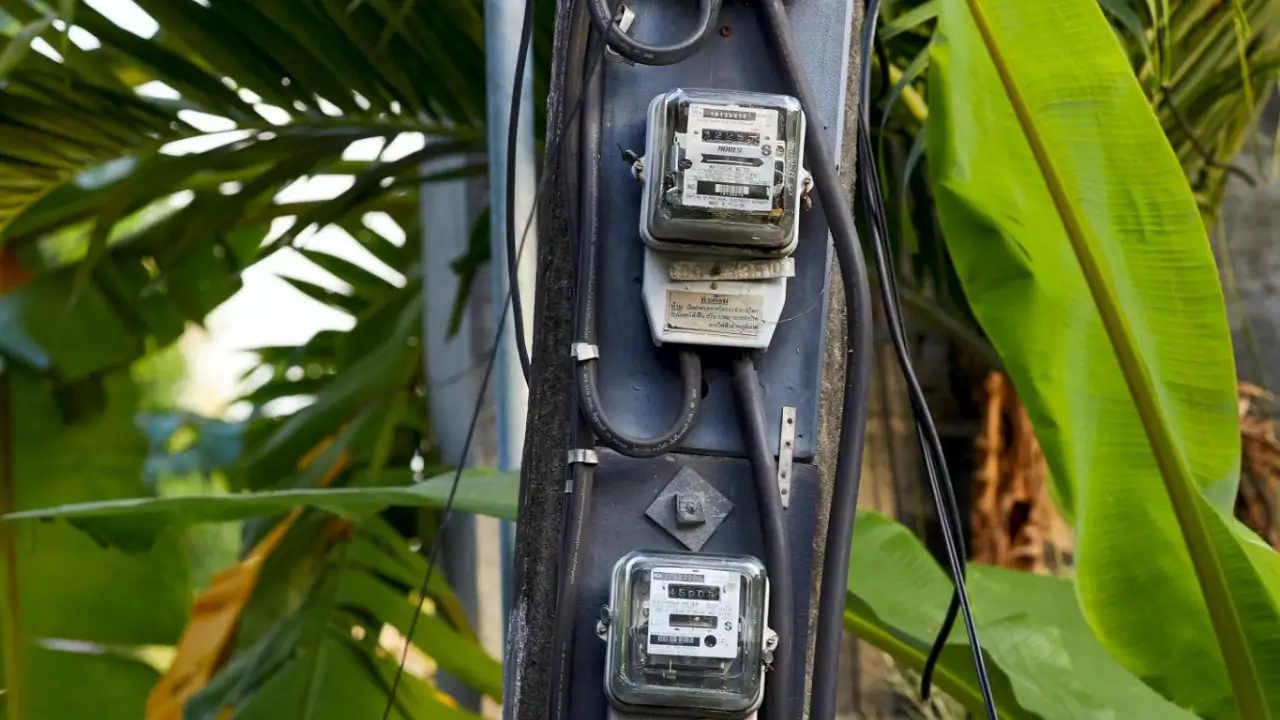
CASTRIES, St Lucia — LUCELEC says a sharp increase in the LUCELEC Fuel Surcharge for April will raise electricity bills for customers across St Lucia, as higher global oil prices tied to international instability push up the cost of generating power locally.
The company said the fuel surcharge applied to April 2026 bills rose by EC$0.248 per unit compared with March, lifting the monthly charge to EC$0.255, or 25.5 cents, per unit of electricity used. LUCELEC said the increase reflects more expensive fuel now being used in generation after lower-cost fuel stocks helped keep March’s surcharge unusually low.
The change matters for households and businesses already dealing with higher recurring expenses. For many consumers, the increase adds to broader monthly cost pressure following the FLOW St Lucia internet price increase.
Why the LUCELEC Fuel Surcharge rose in April
LUCELEC said the fuel surcharge is a cost-pass-through mechanism tied to the actual price of fuel used to generate electricity. The company said it does not make a profit from the surcharge and noted that base electricity rates have not increased.
According to the utility, fuel is purchased every two to three days from its locally based international supplier. That means global price changes do not hit customer bills immediately, because the company uses whatever fuel stock is already on hand before newer purchases flow into generation.
In March, LUCELEC said it was still using lower-priced fuel bought before international oil prices climbed. By April, fuel acquired at higher prices was being used more heavily, leading to the jump now showing up on customer bills.
The company linked the rise to disruption in international oil markets caused by global instability, including the ongoing conflict in the Middle East. LUCELEC said oil prices have increased by an estimated 30% to 60% since the conflict began in February.
Hedging offered only limited protection
LUCELEC Managing Director Gilroy Pultie said the utility’s fuel hedging program helped cushion some of the increase, but only to a limited extent.
“Through our fuel hedging programme, LUCELEC can lock in the price for a portion of fuel purchased, which helps to reduce exposure to sudden market movements,” Pultie said. He added that the remaining fuel must still be bought at prevailing international prices, which has increased pressure on monthly bills as oil prices rise.
Pultie said market conditions before the Middle East conflict did not meet the company’s criteria for significant hedging, limiting LUCELEC’s ability to shield customers from the current spike.
He said the company understands the strain that higher electricity bills can place on customers and is reviewing its hedging strategy while continuing to look for opportunities to secure more fuel at fixed prices going forward.
What the LUCELEC Fuel Surcharge means for customers
For consumers, the practical effect is straightforward: the surcharge is added to the basic energy rate for every unit of electricity consumed, so customers who use more power are likely to feel a bigger increase.
That could place greater strain on large households, offices, restaurants, shops, and other high-usage customers, while even moderate users may notice a difference in monthly bills if consumption remains steady.
LUCELEC said customers should pay particular attention to high-use appliances such as air-conditioning units, refrigeration equipment, and lighting if they want to reduce their bills in the near term.
The company also urged consumers to switch off appliances when not in use, monitor monthly usage through its MyAccount service, and contact LUCELEC early if they are having difficulty paying their bills so support options can be discussed.
Higher fuel costs keep St Lucia exposed to global shocks
The increase also underscores a broader issue for St Lucia’s electricity system: as long as power generation remains heavily dependent on imported fuel, global oil price shocks will continue to affect what customers pay.
LUCELEC said it will continue to publish the monthly fuel surcharge on its website in keeping with regulatory requirements and will keep customers informed about market developments that may affect future bills.
For now, the April increase signals that rising global energy costs are no longer a distant problem. They are now being felt directly on electricity bills across St Lucia.