











CASTRIES, St Lucia — Saint Lucian Digital Forensic Examiner Talisha Son has been selected to participate in the United States Department of State’s International Visitor Leadership Program, the U.S. Embassy in Bridgetown announced.
Son will join the program’s “Advancing Cybersecurity Innovation and Policy” project, an initiative that brings together professionals from across the globe to examine emerging issues in digital security, technological innovation, and cross-border cooperation. The International Visitor Leadership Program is the flagship professional exchange of the U.S. Department of State.
A Recognition Rooted in Specialised Expertise
The International Visitor Leadership Program is the flagship professional exchange of the U.S. Department of State, designed to connect current and emerging foreign leaders with American counterparts in their respective fields. Selection is reserved for individuals identified as influential within their professions, with placements drawn through U.S. embassies worldwide.
Son’s inclusion in the cybersecurity track signals growing recognition of digital forensic expertise developed within Saint Lucia’s law enforcement and investigative ecosystem. Digital forensic examiners are responsible for recovering, analysing, and preserving electronic evidence used in criminal investigations, fraud cases, cybercrime matters, and court proceedings, work that has become increasingly central to modern policing across the Caribbean.
The embassy did not disclose the dates of the upcoming exchange, the host cities Son will visit, or the full list of participating countries.
Why the Saint Lucian Digital Forensic Examiner Was Chosen
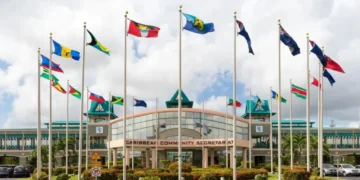
The selection lands at a moment when Caribbean governments, financial institutions and public agencies are confronting a steady rise in cyber threats, ranging from ransomware attacks to data breaches affecting government systems. Unitedpac St Lucia News has previously reported on rising digital security threats facing Caribbean users, including federal warnings about encrypted messaging vulnerabilities. Regional bodies, including the Caribbean Community Implementation Agency for Crime and Security, have repeatedly flagged the need for stronger technical capacity, harmonised legislation and sustained international partnerships to address the threat landscape.
The U.S. Embassy in Bridgetown said it anticipates that Son’s participation will contribute to strengthening cybersecurity collaboration across the Caribbean. The embassy serves Barbados, the Eastern Caribbean, and the OECS, and routinely facilitates training, exchange, and capacity-building opportunities for nationals of the region under U.S. government programmes.
For Saint Lucia specifically, the placement adds to a small but expanding pool of locally based technical specialists who have engaged directly with international cybersecurity policy discussions. The country, like several of its regional neighbours, continues to develop its legislative and institutional framework for digital evidence handling, electronic transactions, and cybercrime prosecution.
Neither the embassy’s announcement nor the State Department’s public materials indicated whether Son’s participation would feed into specific bilateral projects between Washington and Castries. The IVLP traditionally produces alumni networks that maintain professional contact long after the exchange concludes, with many participants going on to lead policy reforms in their home countries.
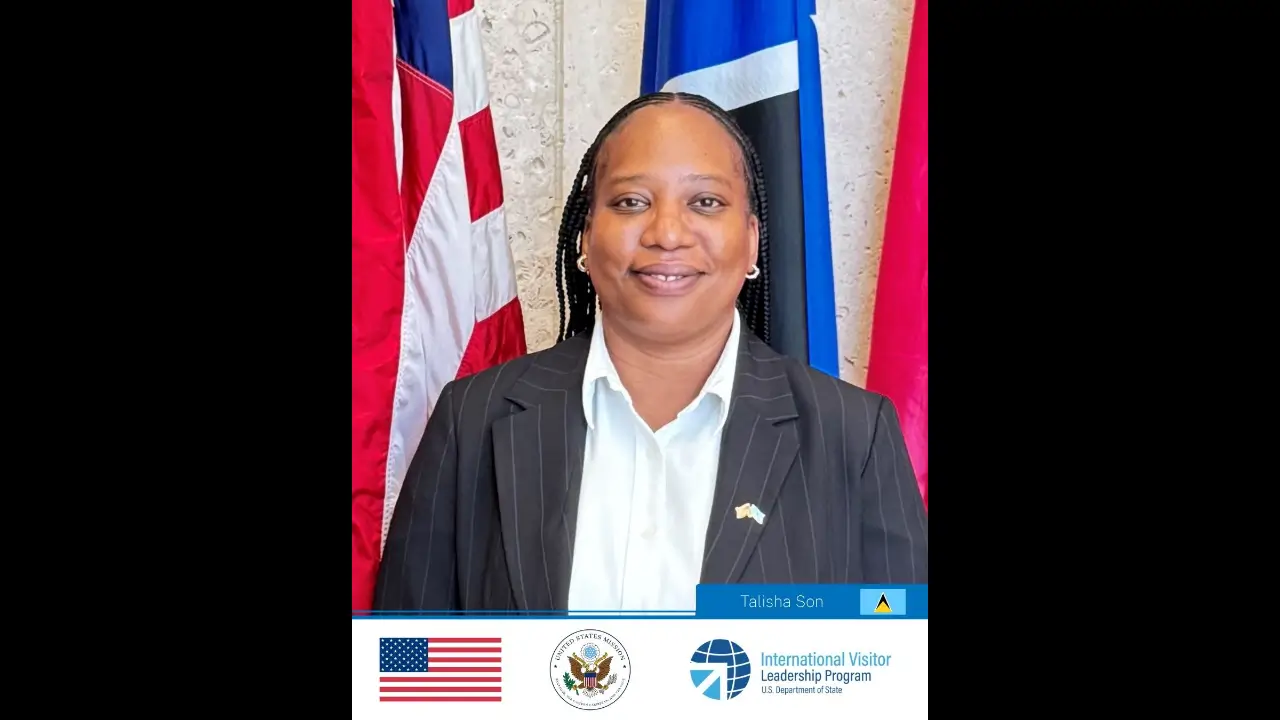
Son was photographed in formal attire ahead of her participation, flanked by the flags of the United States and Saint Lucia, in an image released by the embassy.