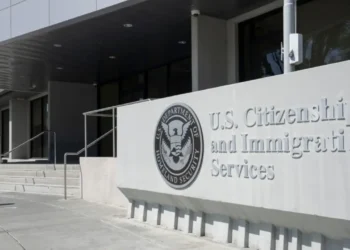
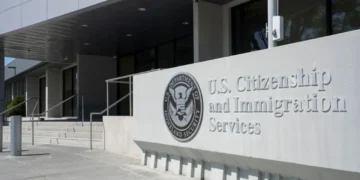
















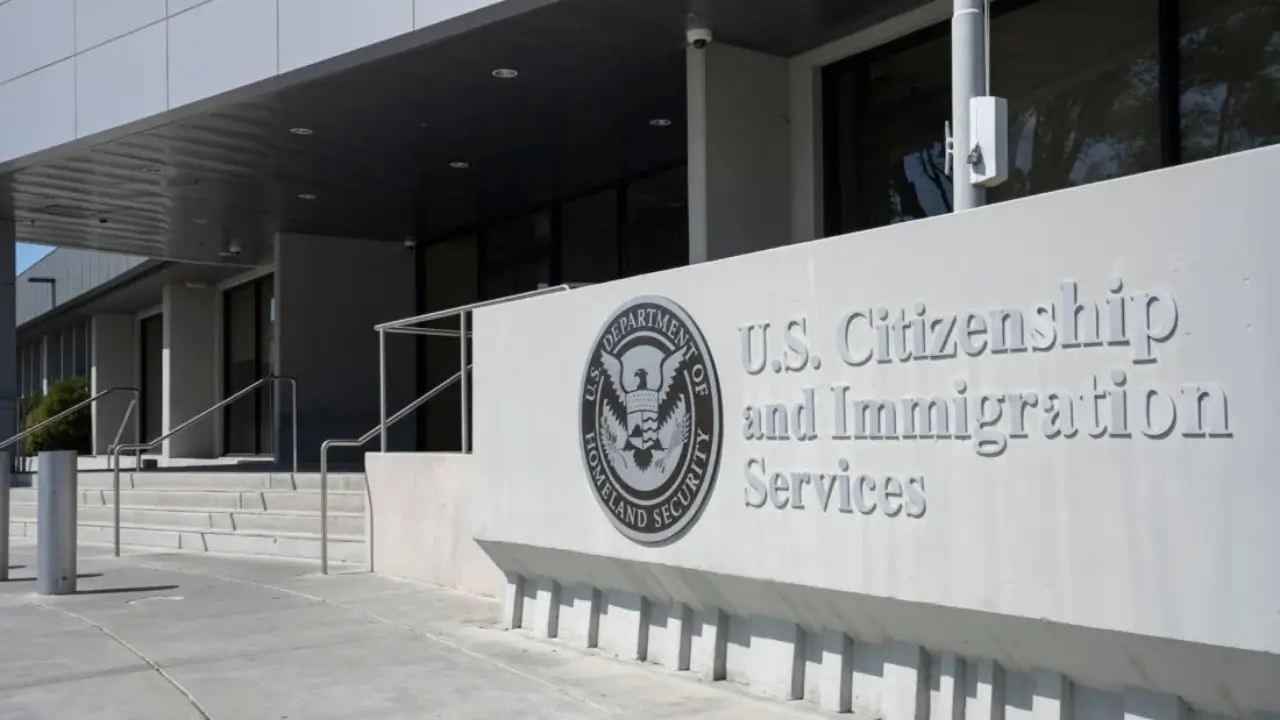
WASHINGTON, US — USCIS citizenship approvals for nonmilitary naturalization applicants plunged nearly 77% during the April-to-June quarter of 2026 compared with the same period last year, as the Trump administration tightened immigration screening and hundreds of thousands of lawful permanent residents awaited decisions on their applications to become American citizens.
US Citizenship and Immigration Services approved 54,974 nonmilitary naturalization applications during the third quarter of fiscal year 2026, compared with 236,924 during the corresponding quarter of 2025.
The reduction represents 181,950 fewer approvals, a decline of approximately 76.8%, according to figures from the agency’s official immigration and citizenship statistics.
The slowdown has coincided with expanded eligibility screening, declining application volumes and growing concerns that immigrants awaiting citizenship could miss the opportunity to participate in the November 3 US midterm elections.
A separate analysis published October 29 by researchers at the University of California, Los Angeles, found that monthly naturalizations fell 83% between April 2025 and August 2026, suggesting the slowdown continued beyond the latest quarterly reporting period.
The findings have intensified scrutiny of the federal government’s naturalization process and raised questions about how quickly eligible immigrants can obtain citizenship under the administration’s revised procedures.
Sharp decline in USCIS citizenship approvals deepens backlog concerns
The latest USCIS statistics reveal a substantial reduction in naturalization decisions alongside a growing volume of unresolved applications.
During the April-to-June quarter, USCIS citizenship applications in the nonmilitary category fell to 140,179, compared with 245,879 during the same period in 2025.
That represents a decline of approximately 43% in new applications.
USCIS approved 54,974 applications and denied 12,591 during the 2026 quarter, producing a combined total of 67,565 decisions in the nonmilitary category.
By June 30, approximately 727,371 nonmilitary naturalization applications remained pending.
A separate analysis of USCIS field-office data, which uses a broader reporting scope, recorded 57,697 approvals during the quarter, compared with 241,326 a year earlier. That represents a decline of approximately 76%.
The field-office analysis also identified 742,138 pending applications, up from 529,018 during the corresponding period in 2025.
These figures reflect different USCIS reporting categories and should not be treated as interchangeable.
The statistics establish a dramatic reduction in completed naturalization cases, but they do not mean that 77% of applicants were denied citizenship.
Although denials also declined in absolute numbers, they accounted for a larger share of completed decisions in the broader field-office data.
That distinction suggests the slowdown involves both reduced processing activity and a change in the proportion of cases approved.
According to Bloomberg Law’s October 15 investigation, USCIS completed approximately 71,000 naturalization cases during the quarter, compared with roughly 265,000 during the same period last year.
The decline occurred as the agency implemented stricter screening procedures and placed greater emphasis on reviewing applicants’ eligibility.
Trump administration defends tougher citizenship screening
The Trump administration has defended the changes to naturalization procedures, arguing that stronger background checks and eligibility reviews are necessary to protect the integrity of American citizenship.
USCIS has expanded its examination of applicants’ immigration histories, good moral character and compliance with statutory requirements.
The agency has also introduced a revised civics examination and increased scrutiny of applicants’ backgrounds.
In a statement reported by Bloomberg Law, USCIS spokesperson Zach Kahler said the agency was reinforcing screening and vetting to ensure citizenship is granted to individuals who meet the legal requirements.
The administration maintains that naturalization is a privilege governed by federal law and that applicants must satisfy the established eligibility standards.
The tougher screening approach is consistent with a broader enforcement strategy previously outlined in a USCIS immigration fraud crackdown, which detailed the agency’s efforts to identify fraudulent applications and strengthen compliance reviews across the immigration system.
However, those enforcement activities do not establish the cause of the sharp reduction in naturalization approvals.
Immigrant advocacy organizations have challenged the administration’s approach, arguing that additional scrutiny and prolonged processing are creating unnecessary barriers for lawful permanent residents.
The National Partnership for New Americans has accused the administration of deliberately extending the naturalization process, including the period between approval and the oath ceremony.
That allegation has not been independently established by the quarterly statistics.
The available figures confirm a substantial decline in naturalization decisions but do not isolate the effect of individual policy changes, staffing levels or other operational factors.
Naturalization delays leave immigrants waiting longer
Naturalization delays are creating uncertainty for lawful permanent residents pursuing citizenship, potentially affecting employment opportunities, family immigration plans, international travel and participation in American civic life.
Bloomberg Law reported that naturalization waiting times had increased considerably during 2026, with some applicants facing processing periods exceeding one year.
The report identified field offices in Baltimore, Boise, Fort Myers and Fresno where waiting periods reached 15 months or longer.
Applicants have also reported delays between successful naturalization interviews and the scheduling of oath ceremonies.
This final stage is particularly important because applicants generally do not become US citizens until they take the Oath of Allegiance.
A person whose application has been approved but who has not completed the required oath ceremony generally remains a lawful permanent resident rather than a naturalized citizen.
Naturalization provides eligible immigrants with the right to vote in federal elections, obtain a US passport and access certain immigration benefits unavailable to permanent residents.
It can also provide greater legal security for immigrants who have established permanent lives in the United States.
The US naturalization process continues to require applicants to satisfy residency, physical presence, English-language, civics and good moral character requirements, subject to applicable exceptions.
Processing times vary depending on the applicant’s circumstances and the field office handling the case.
UCLA research warns of potential impact on midterm voting
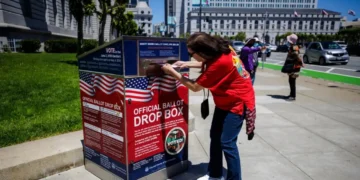
The naturalization slowdown has become particularly significant ahead of the November 3 midterm elections, when voters will determine control of the US House of Representatives and Senate.
A report released by UCLA’s Center for Neighborhood Knowledge found that monthly naturalizations declined from approximately 88,000 in April 2025 to fewer than 16,000 in August 2026.
That represents an 83% reduction.
Researchers warned that the decline could leave more than half a million immigrants who otherwise might have become eligible to register and vote unable to participate in the midterm elections.
The figure is a research estimate rather than an official count of individuals denied voting rights.
The study identified particularly sharp declines in California, including San Jose, Fresno, Los Angeles and San Francisco.
Florida, New York and Texas were also among the states experiencing substantial reductions.
Paul Ong, director of the UCLA Center for Neighborhood Knowledge and a co-author of the report, argued that the changes extend beyond border enforcement and deportation policies to affect legal pathways to citizenship.
The researchers warned that continued declines could have long-term consequences for immigrant integration and political participation.
Only US citizens may vote in federal elections. Lawful permanent residents cannot participate until they complete naturalization and satisfy applicable voter registration requirements.
However, the available research does not establish how newly naturalized citizens would vote or whether the slowdown would benefit either political party.
A separate analysis published by Stateline on October 29 estimated that approximately 380,000 additional immigrants might have become citizens over the previous year if naturalization approvals had continued at their earlier pace.
The different estimates reflect distinct methodologies and comparison periods rather than a confirmed count of people prevented from voting.
Revised citizenship test adds new requirements
The Trump administration has also introduced changes to the civics examination used to assess applicants’ knowledge of American government and history.
The revised 2025 examination contains a pool of 128 questions, with applicants generally required to answer at least 12 of up to 20 questions correctly.
The version of the test an applicant must take depends on the filing date and applicable USCIS rules.
Certain applicants qualify for exemptions or special consideration based on age, years of permanent residence or qualifying medical conditions.
The revised examination is one component of a broader naturalization process that includes background screening, interviews and assessments of statutory eligibility.
USCIS publishes official preparation materials, including its 2025 civics test questions and answers.
What the citizenship backlog means for Caribbean immigrants
The nationwide decline in naturalization approvals could also affect Caribbean-born lawful permanent residents living in the United States, including immigrants from St Lucia, Jamaica, Guyana, Trinidad and Tobago and other countries.
However, the published national figures do not establish how many applicants from individual Caribbean countries have experienced delays or whether any particular nationality has been disproportionately affected.
Naturalization requirements generally apply to eligible permanent residents regardless of their country of birth, subject to statutory exceptions.
For immigrants who have established long-term lives in the United States, delays can postpone voting eligibility, access to US passports and certain family immigration benefits available to citizens.
Applicants awaiting decisions can use the official USCIS processing times tool to review published timelines for their applications.
The agency also provides procedures for requesting information about cases that have exceeded its established inquiry thresholds.
Applicants experiencing prolonged delays may seek guidance from a qualified immigration attorney about their circumstances and available legal remedies.
Federal citizenship processing faces continued scrutiny
The latest USCIS statistics and UCLA research leave significant questions about whether naturalization processing will recover and how quickly the agency can address its growing pending caseload.
The slowdown also follows broader legal disputes over USCIS adjudication policies.
In April, a federal judge ordered USCIS to resume processing certain frozen green card applications, ruling that the agency could not indefinitely suspend decisions involving the plaintiffs.
Although that case concerned a different immigration benefit and did not establish the legality of current naturalization delays, it highlighted ongoing judicial scrutiny of federal immigration processing restrictions.
The administration continues to defend its screening policies as necessary to ensure applicants meet federal citizenship requirements, while immigration advocates argue that the slowdown is imposing substantial consequences on eligible permanent residents.
The approaching midterm elections have added urgency to the dispute because applicants who do not complete naturalization before applicable voter registration deadlines cannot participate as voters in federal contests.
Future USCIS reports will help determine whether the decline in citizenship approvals continues, processing times stabilize or the backlog grows further.
For hundreds of thousands of lawful permanent residents awaiting decisions, the central uncertainty remains how long it will take to complete the final steps toward American citizenship.