












UNITED STATES — The safest Caribbean islands are gaining an advantage among travelers as crime rates, hurricane exposure and US government advisories reveal sharply different risk levels across the region.
Aruba and Barbados emerged as the strongest overall choices in a recent travel assessment that considered crime, health-care access, storm history and official safety guidance. Anguilla, St Barthélemy, Martinique and the Cayman Islands also ranked favorably for their comparatively low crime levels.
The assessment, published by Frommer’s, is not an official US government ranking. It combines several indicators that travelers may consider before selecting flights, hotels, cruises and vacation packages.
Safest Caribbean islands stand out overall
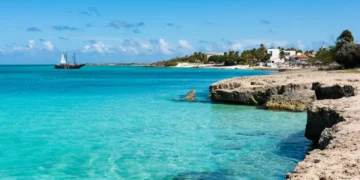
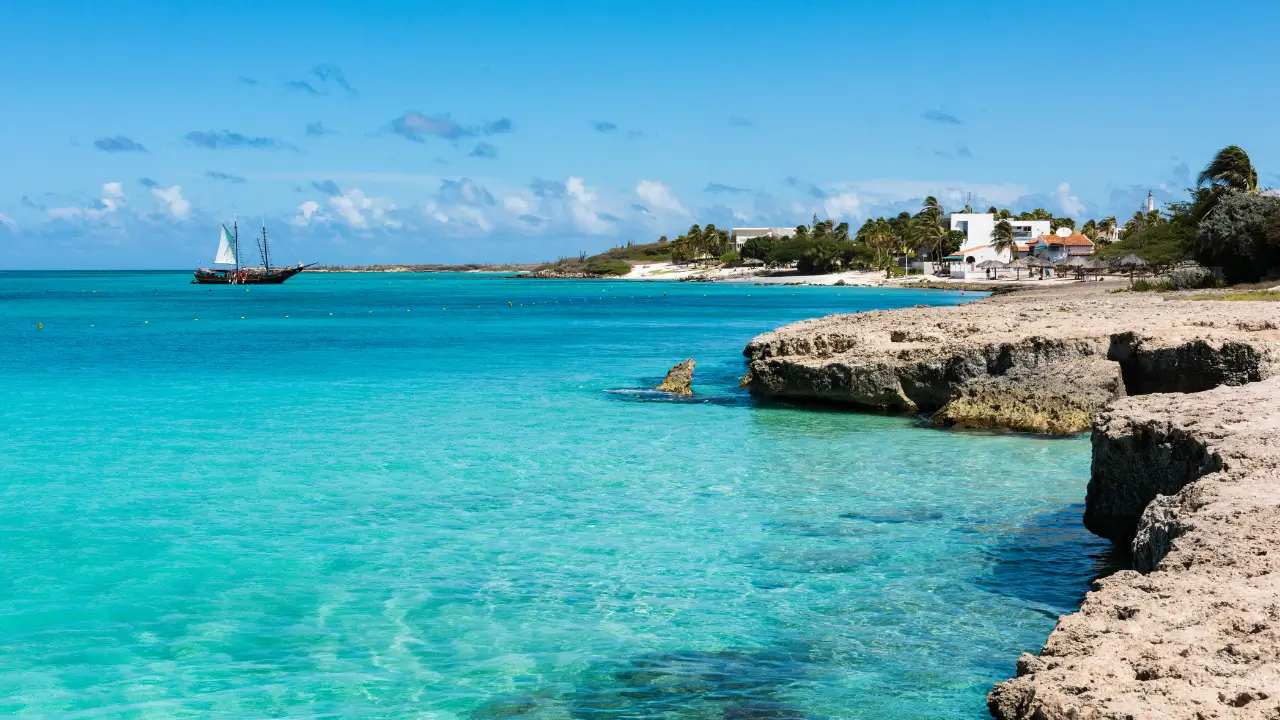
Aruba was identified as one of the region’s strongest overall safety choices because of its low crime rate, health-care system and Level 1 advisory from the US State Department.
Level 1 is the lowest category in the department’s four-level system and advises Americans to exercise normal precautions. It does not mean a destination is free of crime, accidents, severe weather or medical emergencies.
Aruba also benefits from its southern location near the coast of South America, where direct hurricane impacts have historically been less frequent than in many northern Caribbean islands.
Barbados was also highlighted because of its relatively low crime rate and limited history of direct hurricane strikes.
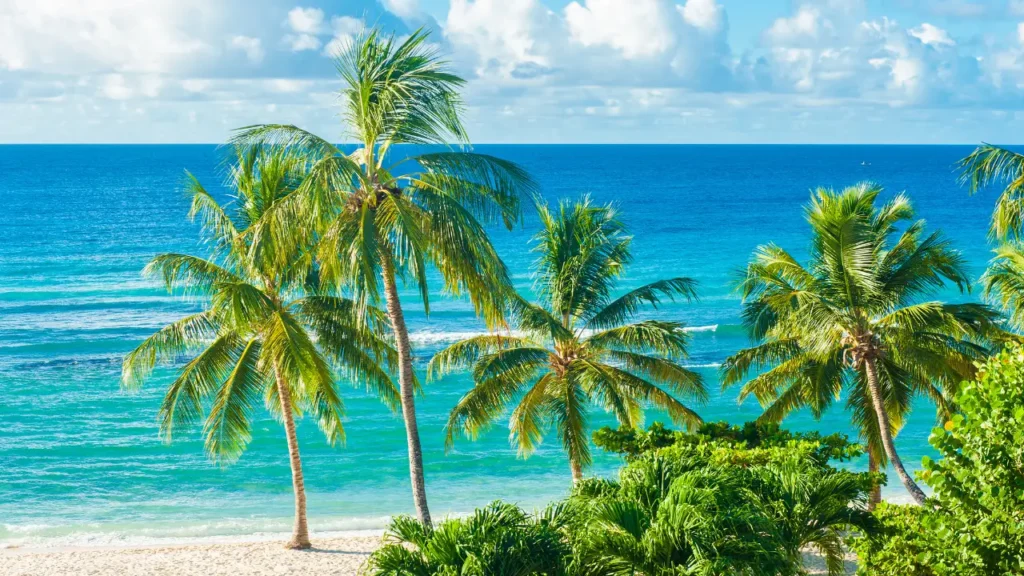
The island can still experience heavy rainfall, rough seas, flooding and storm surge during the Atlantic hurricane season, but direct landfalls have historically been less common than in parts of the northern Caribbean.
Barbados currently carries a Level 1 advisory. The State Department describes the country as generally safe, while warning that petty crime, including pickpocketing and purse snatching, occurs in popular tourist areas.
Six islands post the lowest crime rates
The assessment identified six destinations as having the region’s lowest reported levels of violent crime and petty theft:
Anguilla, Barbados, St Barthélemy, Martinique, the Cayman Islands and Aruba.
Crime conditions can vary within each destination, and low national rates do not eliminate risks in nightlife districts, isolated beaches, transportation areas or crowded tourist locations.
Anguilla currently carries a Level 1 advisory and is described by the State Department as generally safe for travelers. The advisory also warns that the island regularly experiences hurricanes, reinforcing the need to consider weather risk separately from crime.
The Cayman Islands also remains at Level 1. US officials advise normal precautions but note that access to routine and emergency medical services may be limited.
Travelers are still encouraged to remain aware of their surroundings, secure valuables and avoid assuming that a favorable ranking guarantees complete safety.
Southern islands face lower hurricane exposure
Weather remains a major part of Caribbean travel safety, particularly between June 1 and Nov. 30, the official Atlantic hurricane season. NOAA says activity typically peaks during August, September and October.
The southern Caribbean generally has a lower historical exposure to direct hurricane strikes than islands farther north.
Aruba, Bonaire and Curaçao, commonly known as the ABC islands, are often viewed as among the safer weather choices because of their location close to South America.
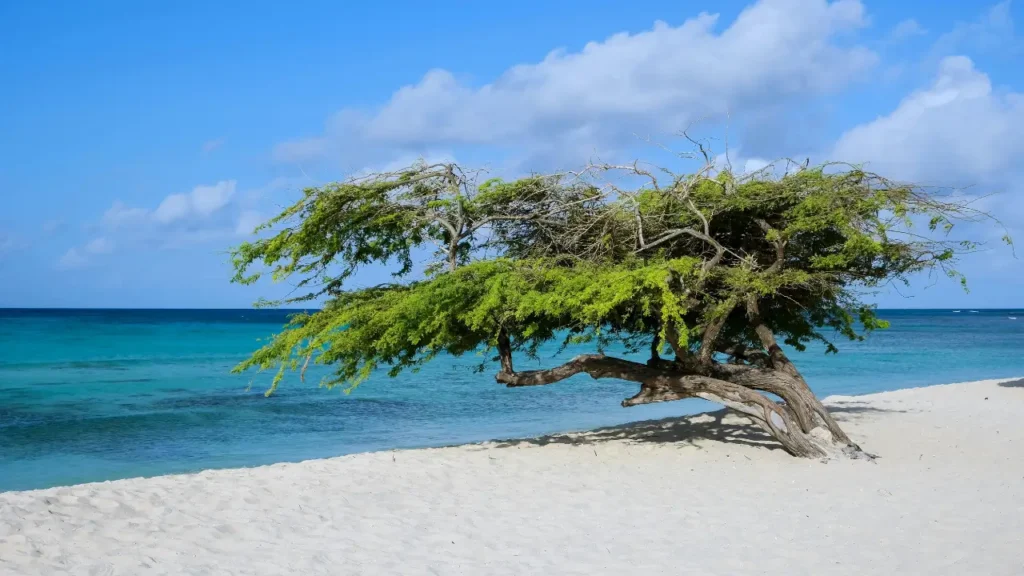
Barbados, Grenada, St Vincent and the Grenadines, and Trinidad and Tobago also appear among destinations with comparatively lower historical storm exposure.
However, lower exposure does not mean immunity.
Grenada sustained major damage from Hurricane Beryl in 2024, demonstrating that powerful storms can still affect islands outside the most frequently struck areas.
Indirect effects such as flooding, high surf, airport closures, power outages and canceled cruises can also disrupt travel far from a storm’s center.
Travelers visiting during hurricane season should review hotel and airline cancellation policies, monitor forecasts and consider travel insurance covering delays, evacuations and medical emergencies.
Level 1 advisories give islands a clearer advantage
Current US travel advisories place a substantial group of Caribbean and tropical Atlantic destinations at Level 1.
They include Anguilla, Antigua and Barbuda, Aruba, Barbados, Bermuda, Bonaire, the British Virgin Islands, the Cayman Islands, Curaçao, Dominica, the French West Indies, Montserrat, Saba, St Kitts and Nevis, St Vincent and the Grenadines, Sint Eustatius and Sint Maarten.
The State Department defines Level 1 as exercising normal precautions. It also warns that some risk exists during any international travel and that conditions abroad may differ from those in the United States.
The British Virgin Islands is among the destinations described as generally safe under a Level 1 advisory.
Those classifications can give lower-risk destinations a clearer message when travelers compare islands offering similar beaches, hotels, excursions and cultural attractions.
Higher warnings divide the region
Several major Caribbean destinations carry Level 2 advisories, meaning travelers should exercise increased caution.
The list includes The Bahamas, Cuba, the Dominican Republic, Grenada, Jamaica, St Lucia and the Turks and Caicos Islands.
Level 2 does not advise Americans to avoid those destinations. It indicates that elevated crime, health, infrastructure or other risks require additional awareness and preparation.
Separate security alerts can also apply to individual properties without changing a country’s overall advisory level. A US Embassy security alert involving Ladera Resort showed how a targeted warning can affect a specific tourism property while remaining distinct from the national advisory.
Separate security alerts can also apply to individual properties or locations without changing a country’s overall advisory level. A US Embassy security alert involving Ladera Resort in St Lucia showed how a targeted warning can affect a specific tourism property while remaining distinct from the national advisory.
Jamaica remains at Level 2 because of crime and health concerns, with stronger warnings applying to certain areas.
The Turks and Caicos Islands also carries a Level 2 advisory because of crime. US officials say most crime occurs in Providenciales and warn that police may have limited resources to investigate incidents.
Trinidad and Tobago is at Level 3, which advises Americans to reconsider travel.
The State Department said the country declared a nationwide state of emergency on March 2, 2026, after a spike in violent criminal activity. The advisory also cites health and terrorism concerns.
Haiti remains the only Caribbean country at Level 4, the department’s highest warning.
Americans are advised not to travel there because of crime, kidnapping, terrorism, unrest and limited health care.
Safety rankings require context
Travel rankings can help visitors compare destinations, but they have limitations.
Crime statistics may be collected differently across countries, and underreporting can affect comparisons. Conditions can also change quickly because of gang activity, economic pressure, political instability or natural disasters.
A countrywide advisory may not reflect the same level of risk in every community. Resort districts can have stronger private security and emergency support than isolated beaches, rural areas or densely populated urban centers.
Other factors, including medical capacity, road safety, electricity reliability and access to emergency evacuation, can be just as important as crime rates.
Travelers should therefore examine the reason behind an advisory rather than relying only on its number.
They can also compare guidance issued by the governments of Canada and the United Kingdom and enroll in the State Department’s Smart Traveler Enrollment Program to receive safety alerts while overseas.
The latest assessment nevertheless shows that Aruba, Barbados and other lower-risk islands have a growing tourism advantage.
As travelers place greater weight on personal security, health-care access and storm exposure, destinations with Level 1 advisories and favorable safety records are better positioned to stand out in a highly competitive Caribbean market.