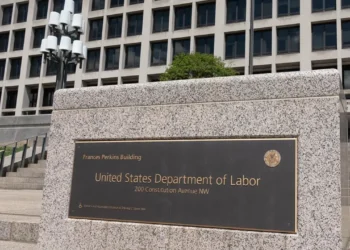
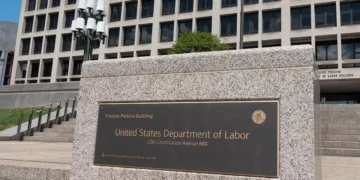

















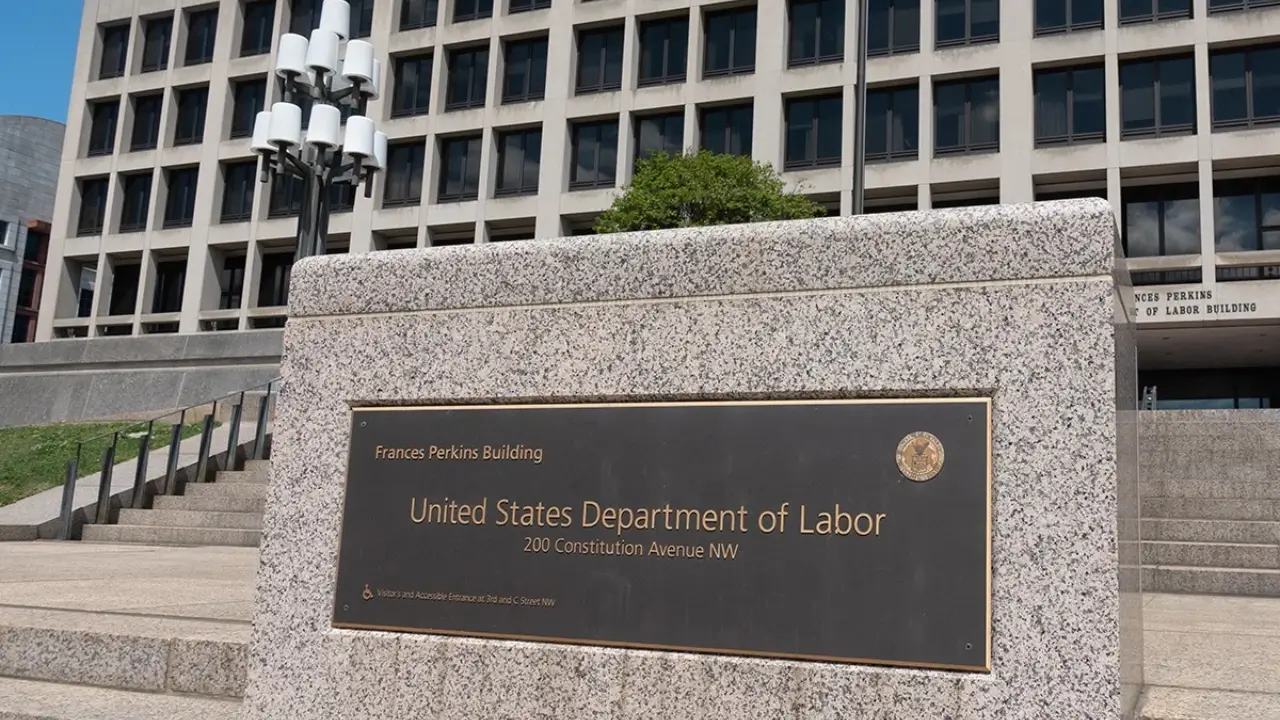
WASHINGTON, US — A proposed US PERM overhaul has cleared White House regulatory review, bringing the Labor Department closer to releasing changes to how employers recruit US workers before sponsoring foreign nationals for employment-based green cards.
The Office of Information and Regulatory Affairs completed its review Oct. 23, recording the outcome as “Consistent with Change.” The action advances the proposal toward publication but does not put new recruitment requirements into effect.
The official regulatory review record identifies the measure as a proposed rule and lists no publication date. Completion of the review does not constitute adoption of a final regulation.
The proposal concerns permanent labor certification, commonly known as PERM, which employers generally must obtain before filing an immigration petition for a foreign worker in a covered employment-based category.
For employers and prospective immigrants, the significance lies in how future recruitment and documentation requirements could affect green card sponsorship. The review record does not establish those detailed requirements or how they would apply to pending applications.
What the PERM overhaul aims to change
The Labor Department’s regulatory agenda identifies four areas for revision: recruitment standards, safeguards for US workers affected by layoffs, compliance with nondiscrimination requirements and record retention.
The department says the regulations governing PERM have not undergone comprehensive modification since 2004. Its stated rationale for updating them includes technological advances and changes in recruitment practices.
The initiative seeks to improve the minimum standards employers follow when recruiting qualified US workers while preserving access to employment-based immigration for employers facing labor shortages. Those are the department’s announced objectives rather than finalized obligations.
Under the existing framework, the Labor Department must determine that sufficient US workers are not able, willing, qualified and available for the job in the intended area of employment. It must also determine that employing the foreign worker would not adversely affect the wages and working conditions of similarly employed US workers.
The process generally includes obtaining a prevailing wage determination, completing required recruitment and submitting a labor certification application.
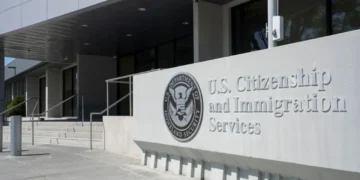
Certification itself does not grant permanent residence. In most covered cases, it precedes the employer’s immigration petition to US Citizenship and Immigration Services.
Cloudera settlement highlights existing enforcement
The regulatory initiative comes alongside enforcement of existing requirements governing green card sponsorship.
On Oct. 16, the Justice and Labor departments announced a settlement with California-based data management company Cloudera following allegations that it discriminated against qualified US workers during PERM recruitment.
The agreement includes a two-year prohibition on participation in the program, a $1.4 million back-pay fund and $600,000 in civil penalties.
The Justice Department said the settlement resolved a lawsuit alleging discrimination in recruitment and hiring for seven positions. Additional obligations include monitoring, revised compliance procedures and reporting requirements.
The Cloudera resolution is a separate enforcement action under existing law. It does not establish the contents of the proposed PERM regulation.
Publication will clarify requirements and timing
Publication of the proposed rule in the Federal Register would make the detailed regulatory text and public comment arrangements available.
That text would allow employers, workers and other interested parties to assess the proposed recruitment requirements, implementation provisions and any treatment of applications already underway.
The proposal concerns a different stage of immigration processing from the adjudication disputes addressed in a federal ruling ordering USCIS to resume certain frozen green card cases. PERM addresses the employer’s labor certification obligations before the subsequent immigration petition in most covered cases.
Public comments would inform the department’s consideration of a final regulation. Any final rule would need to specify when its requirements take effect and how they apply to employers and applications in the sponsorship process.