











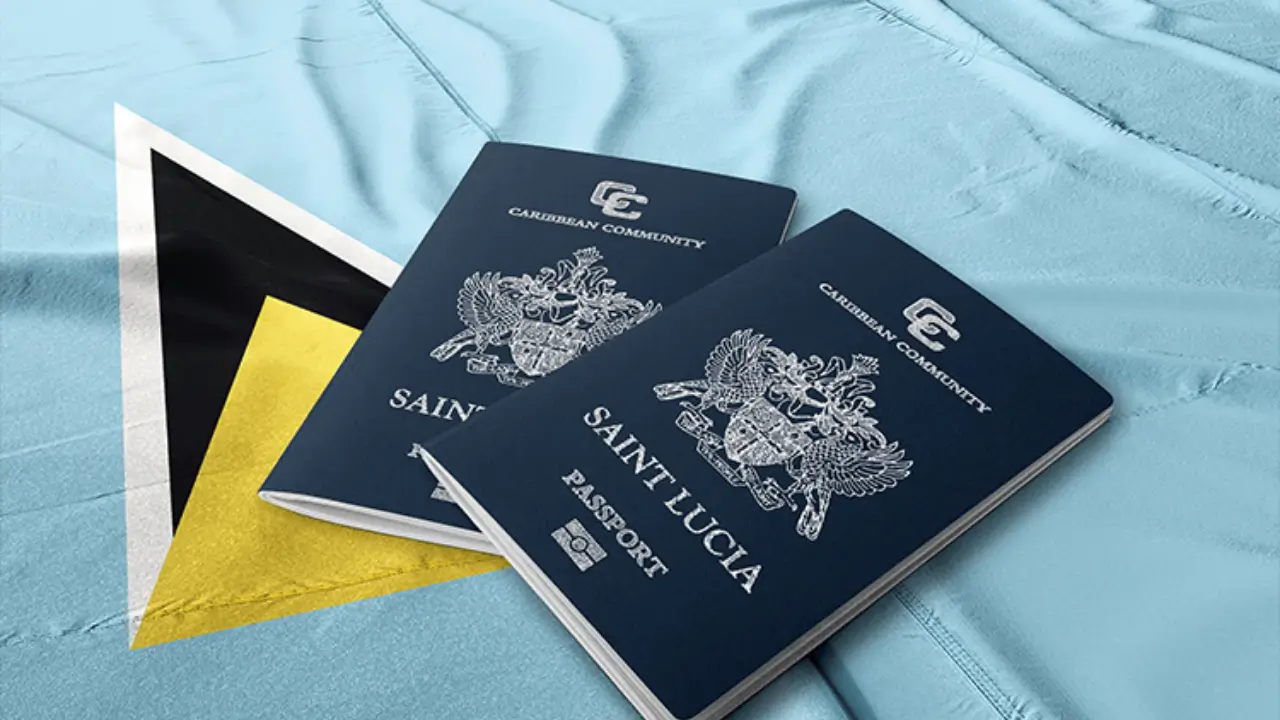
CASTRIES, St Lucia — The St Lucia CBI Programme phase-out is one of five deadlines the European Union has now set across the Caribbean, after Brussels invoked a revised visa suspension rule that treats the mere existence of a citizenship by investment programme as an independent ground for pulling visa-free travel.
The demand surfaced in a July 6 statement from the government of Antigua and Barbuda, which said it received a formal letter from the European Commission dated June 25, 2026. Antigua and Barbuda’s government further claimed that St Lucia, Dominica, Grenada and St Kitts and Nevis had received similar correspondence, a claim that could not be independently verified.
The letter to Antigua and Barbuda, signed by European Commissioner for Internal Affairs and Migration Magnus Brunner and addressed to Prime Minister Gaston Browne, requested that his country wind down its CBI Programme by June 1, 2028.
EU Grounds Demand in Revised Visa Suspension Rule
Antigua and Barbuda’s government said the European Commission based its request on a revised Visa Suspension Mechanism the EU adopted on December 31, 2025. Under the new framework, operating a citizenship by investment programme, regardless of how rigorously it is managed, now stands on its own as grounds for suspending visa-free access to the bloc.
The Commission’s letter offers a 24-month transition window and proposes interim measures, including barring individuals subject to EU restrictive measures from applying and reinforcing vetting for all other nationalities, to take effect no later than September 2026. Brussels also plans to reflect each government’s response in a Visa Suspension Mechanism Report due in December 2026, a document expected to shape how the bloc treats the region’s remaining programmes going forward.
St Lucia CBI Programme Phase-Out Part of Wider OECS Demand
Prime Minister Browne said the letter did not come as a surprise, telling the Antiguan public on June 20 that his administration had advance knowledge of the correspondence and had already begun regional consultations. He said the European Commission’s move targets every Organisation of Eastern Caribbean States member that operates an active citizenship by investment programme, not Antigua and Barbuda alone.
St Lucia has faced comparable external pressure over its own programme this year. In March, the United Kingdom withdrew visa-free access for St Lucian passport holders, citing a rise in asylum claims linked to the programme. Prime Minister Philip J. Pierre said Saint Lucia has no intention of stopping the programme, vowing instead to strengthen it, while Deputy Prime Minister Ernest Hilaire disputed that the CBI Programme was responsible for the asylum trend cited by London.
Ireland Becomes Third Country to Curb St Lucia Travel
Ireland’s Department of Justice, Home Affairs and Migration announced on June 11 that it would end visa-free travel for St Lucia, St Kitts and Nevis, and Nicaragua effective June 15, 2026, a decision that also imposed a transit visa requirement for travelers connecting through Irish airports. Minister for Migration Colm Brophy said the move brings Ireland “more closely in line with the approach taken in the United Kingdom” and the rest of Europe.
The Irish measure followed the UK’s March 5 action and applies to all passport categories, including diplomatic and service passports. A transitional window allows travelers who booked trips before June 15 to enter Ireland without a visa through July 14, 2026, provided they can show proof of the earlier booking.
Antigua and Barbuda Rejects a Unilateral Phase-Out
Browne’s government maintains that the CBI Programme underpins a significant share of its non-tax revenue and has financed hospitals, schools, infrastructure and disaster recovery. The administration said it will not abandon the programme without confirmed replacement revenue from the EU, and that offers made so far under initiatives such as the Global Gateway Investment Agenda remain unquantified and non-binding.
As a gesture toward Brussels, Antigua and Barbuda’s government said it will continue excluding individuals under EU restrictive measures from its programme, strengthen vetting for other applicants and weigh further safeguards the EU may require. Officials said discussions with the European Commission will continue bilaterally and through OECS channels, consistent with the region’s partnership under the Samoa Agreement.
Whether St Lucia adopts a similar posture, or answers Brussels on its own terms, should become clearer once the European Commission publishes its Visa Suspension Mechanism Report in December, the document expected to detail how each OECS government responded to the June deadline.