









WASHINGTON, US — President Donald Trump said Thursday the United States does not need a deal with Iran, three days after Qatar’s prime minister visited the White House to discuss restarting negotiations. The US naval blockade of Iranian ports remained in place, and Tehran continued to tie the reopening of the Strait of Hormuz to concessions from Washington.
Trump said in a social media post reported by Reuters that he had asked Vice President JD Vance, who had been involved in efforts to resolve the conflict, to focus on what Trump described as crime and corruption in Democratic-led US cities.
On Friday, US Central Command said it shot down two Iranian attack drones headed toward Bahrain and reported no injuries or damage. Iran’s Islamic Revolutionary Guard Corps said it had struck a US early-warning radar in Bahrain in retaliation for what it described as a US strike on a telecommunications installation in the Iranian port of Sirik. The US military denied the radar was hit.
Qatar’s mediation and the proposed deal with Iran
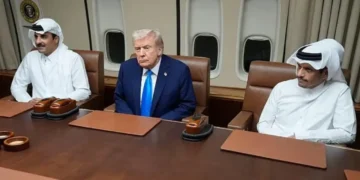
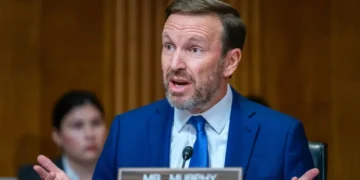
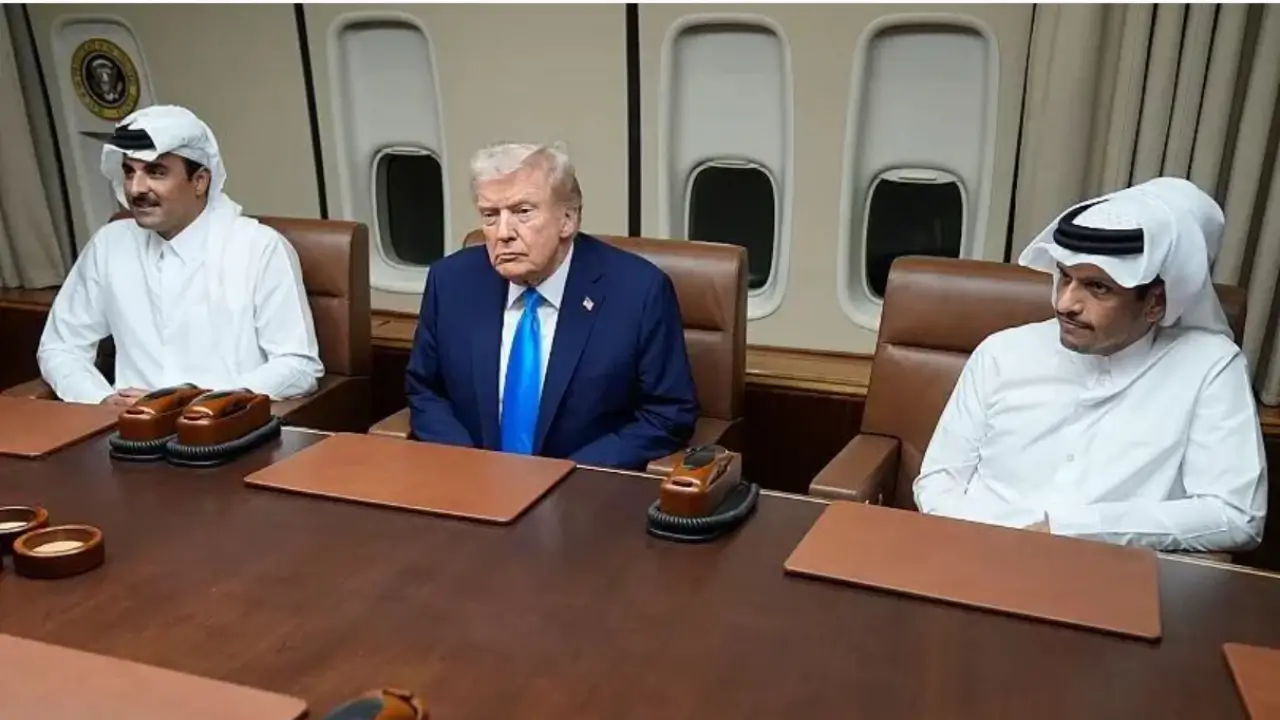
Qatar’s prime minister and foreign minister, Sheikh Mohammed bin Abdulrahman bin Jassim Al Thani, met Trump and Vance in Washington on Nov. 9 after visiting Tehran the previous week. Al Thani said the discussions covered developments in the region and ways to advance US-Iran talks.
In remarks at the White House after the meeting, Trump said he would hold off on fresh strikes for the time being and keep the naval blockade in place. He said Qatar, Saudi Arabia, the United Arab Emirates, Bahrain and Kuwait favored continuing the blockade and avoiding new strikes.
The next day, Iran’s top security official, Mohsen Rezaei, told broadcaster Al Mayadeen that Tehran and Washington were not negotiating. He said Iran was waiting for a clear US response to seven conditions it says must be met before the strait can reopen and negotiations can resume.
Under Iran’s proposal, Washington would lift the blockade of Iranian ports, ease some sanctions and halt strikes in exchange for Tehran lifting its restrictions on shipping through Hormuz, Reuters reported. Talks on Iran’s nuclear program and remaining sanctions would follow. US Secretary of State Marco Rubio said on Nov. 8 that Iran’s demands were unrealistic and that he did not expect an imminent breakthrough.
Shipping remains at risk in the Strait of Hormuz
The war began on Feb. 28 with US and Israeli strikes on Iran. Tehran responded with missile and drone attacks on US bases in Gulf states and moved to restrict shipping through the Strait of Hormuz. Washington imposed a naval blockade on Iranian ports.
The US strikes on Iran’s Qeshm Island came as Qatar was relaying proposals between Washington and Tehran.
An average of 20.9 million barrels of crude oil and other petroleum liquids passed through the strait each day in the first half of 2025, according to the US Energy Information Administration. That was roughly one-fifth of global oil supply during that period. The strait is also a major route for liquefied natural gas exports from the Gulf.
Iranian state media reported Friday that the Revolutionary Guard’s navy said a gas tanker struck a mine in the strait and suffered an explosion. The vessel was not immediately identified, and the account could not be independently verified.
Trump gave no timetable for lifting the blockade. Neither Washington nor Tehran announced a date for renewed talks.