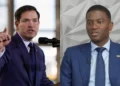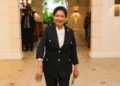










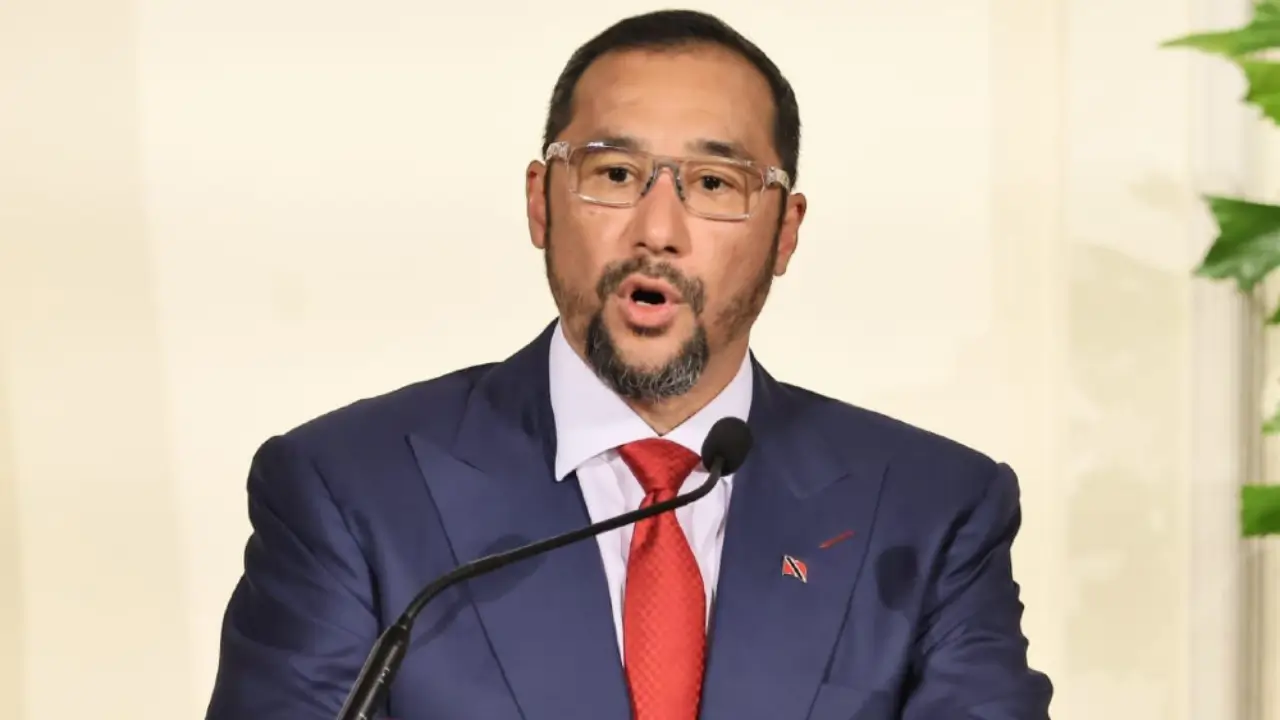
PORT OF SPAIN, Trinidad and Tobago — The Stuart Young diplomatic passport dispute escalated this week after the former prime minister said he was contacted out of the blue and instructed to surrender the travel document issued to him after leaving office. Young said he has since asked the government to formalize the demand in writing and has not yet handed over the passport.
In a video statement posted to social media, Young said the call came without explanation. “As a former prime minister, you get a diplomatic passport. It was given to me on the second of May last year. I didn’t ask for it. Get a call out of the blue: return the passport,” he said.
Young declined to name the official who contacted him or to say whether any legal justification was given. He said he intends to respond “in accordance with the law at the appropriate time” rather than comply immediately.
Legal basis for passport recall remains unclear
Under the Immigration Act, Chap. 18:01, authority to issue, renew or revoke passports rests with the minister of national security. The legislation contains no specific provision addressing diplomatic passports for former prime ministers, and no automatic entitlement allowing them to retain the documents after leaving office.
The absence of a defined statutory process leaves open questions about how any revocation would be carried out and what recourse Young would have to challenge it. Diplomatic passports typically signal formal state recognition and carry access privileges reserved for current officials and select former officeholders, which is part of why disputes over their withdrawal tend to draw scrutiny beyond the individual involved.
No confirmation yet on Stuart Young diplomatic passport decision
The government has not publicly confirmed that a decision was made to revoke Young’s passport, and no formal written request had been delivered to him as of press time. Questions sent to Prime Minister Kamla Persad-Bissessar asking why the passport was being sought, whether a decision had been finalized, and whether other former prime ministers received similar requests went unanswered.
Former prime minister Dr. Keith Rowley, reached while traveling outside the country, said he retains his own diplomatic passport and had used it recently. His response leaves open the question of whether the demand made to Young reflects a policy applied broadly or a decision specific to him. Details were first reported by Guardian Media, which sought comment from both Young and Rowley.
Because no formal notice or confirmed government decision has been produced, the dispute remains legally unresolved, and no wrongdoing by either Young or the administration has been established.
Young links dispute to wider political fallout
Young described the passport matter as part of what he called sustained political pressure since the change in government last year. He pointed to earlier legislative amendments that stripped him of the retirement gratuity and pension typically afforded to former prime ministers, a move tied to criticism of his 42-day tenure before the April 2025 general election.
Government ministers had argued at the time that it would be inappropriate for a prime minister who served roughly six weeks to receive benefits equivalent to leaders who held office for years. Young and the parliamentary Opposition rejected that position, describing the amendments as legislation aimed specifically at one individual rather than a general policy change.
Young also cited layoffs across state programs and enterprises, including CPEP, URP, reforestation initiatives, WASA and T&TEC, along with continued job losses at Heritage, NGC, NEL and Paria. “Families out there are hurting,” Young said, adding that constituents in Port of Spain North/St. Ann’s West have approached him directly about job losses.
Young further criticized the administration’s handling of the energy sector, referencing rising fuel prices discussed during the government’s mid-year review and plant closures he said are affecting workers nationwide.
With no written request yet delivered and no government confirmation of a final decision, the passport dispute is set to test both the limits of ministerial authority under the Immigration Act and the broader political fallout from Young’s brief time in office.