












TEHRAN — Iran closes Strait of Hormuz again Saturday, the second such move in two months, according to Iranian state media and CNN. Tehran’s military command blamed Israel for violating a Lebanon ceasefire and accused the United States of failing to implement a tentative agreement meant to end their war.
The closure, announced by Iran’s joint military command, came hours after Israeli strikes killed more than a dozen people in Lebanon overnight Saturday, according to CBS News. The strikes followed a truce that diplomats had told CBS News was reached between Israel and Hezbollah just hours earlier.
Lebanon Fighting Reignites Hours After Truce
Lebanon’s state-run National News Agency reported that Israeli forces struck targets across southern Lebanon overnight, with the Israeli military saying the operation was in response to what it described as repeated ceasefire violations by Hezbollah, according to CBS News. Israel said four of its soldiers were killed in the renewed fighting. Hezbollah, the Iran-backed militant group, has accused Israel of failing to honor any ceasefire in Lebanon for nearly two years and said it would continue striking Israeli troops in response, CBS News reported.
Why Iran Closes Strait of Hormuz Again
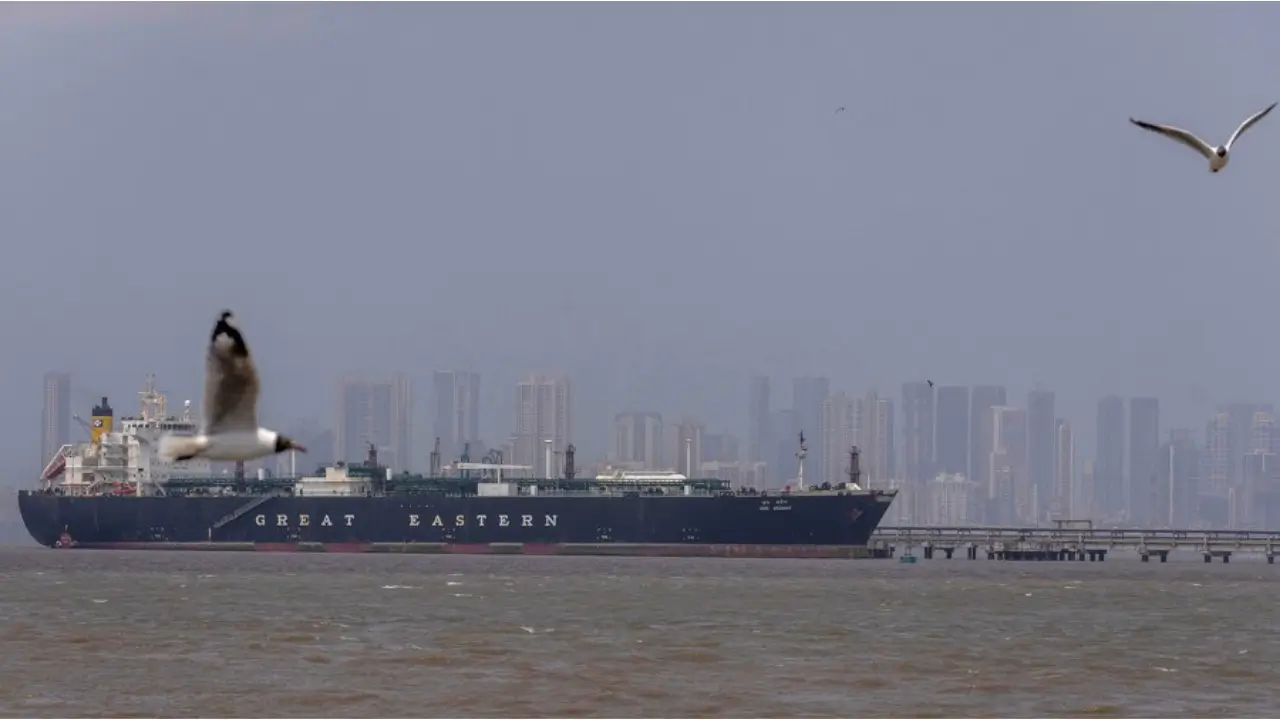
Saturday’s announcement marks the latest reversal in a month-long standoff over the Strait of Hormuz, the narrow Gulf waterway through which roughly a fifth of the world’s oil supply passes. Iran first shut the strait on Feb. 28, when the U.S. and Israel launched a broad air campaign against Iranian nuclear and military sites that touched off the wider war, according to earlier CNN and NPR coverage of the conflict. The strait briefly reopened last week after Iran and the U.S. signed a memorandum of understanding, sending shipping traffic to its highest level since mid-April, according to maritime tracking firm AXSMarine, cited by CBS News.
Iranian Foreign Ministry spokesperson Esmail Baghaei said Saturday that “any memorandum or agreement is ultimately tested when it enters the implementation phase,” according to The Times of Israel.
Oil Markets Brace for Renewed Disruption
The memorandum, signed Wednesday by President Trump and Iranian President Masoud Pezeshkian, called for an immediate halt to hostilities on all fronts, including in Lebanon, even though neither Israel nor Hezbollah were direct parties to the deal, according to CBS News. U.S. gas prices had fallen below $4 a gallon for the first time in nearly three months following the initial agreement, CBS News reported. A prolonged closure risks reversing that relief; past closures this year have triggered sharp spikes in oil prices and left tankers waiting for weeks in the Gulf of Oman, with U.S. forces previously seizing an Iran-bound vessel in the Arabian Sea as part of the wider blockade enforcement.
Tehran Says Talks With US Still On
Despite reclosing the strait, Iranian state television reported that Tehran’s negotiating team is still traveling to Switzerland for talks with U.S. officials on the countries’ interim deal, according to The Times of Israel. The trip had originally been planned for Friday but was postponed, with the White House citing logistical issues and Iranian officials telling the Associated Press the delay was tied to the Lebanon fighting. Vice President JD Vance, who was set to lead the U.S. delegation, voiced skepticism that the strait had actually been closed, according to The Times of Israel. The talks are expected to run 60 days and focus on the future of Iran’s nuclear program.
President Trump said Thursday he expected fighting to stop completely across all fronts, including Lebanon, under the terms of the agreement, according to a Truth Social post cited by CBS News. Whether that holds may determine if Saturday’s closure is temporary or the start of another prolonged standoff.