


















WASHINGTON, US — The US ban on Canadian imports took effect Tuesday, Sept. 29, blocking selected alcoholic beverages, whey products and motorcycles as stalled trade talks leave businesses facing further disruption in the dispute between the neighboring countries.
The restrictions follow Canada’s introduction of tariffs on a range of American goods earlier this month after negotiations broke down. Canadian Prime Minister Mark Carney has described the new bans as relatively modest for the national economy while acknowledging that businesses in the targeted sectors will suffer.
Industry groups on both sides of the border have warned of wider consequences, particularly for alcohol producers and American hospitality businesses preparing for the holiday season.
The measures prohibit imports of specified products rather than imposing a blanket ban on all Canadian goods. The dairy restrictions target whey products, including those used in protein powder.
Export-dependent producers face losses under US ban on Canadian imports
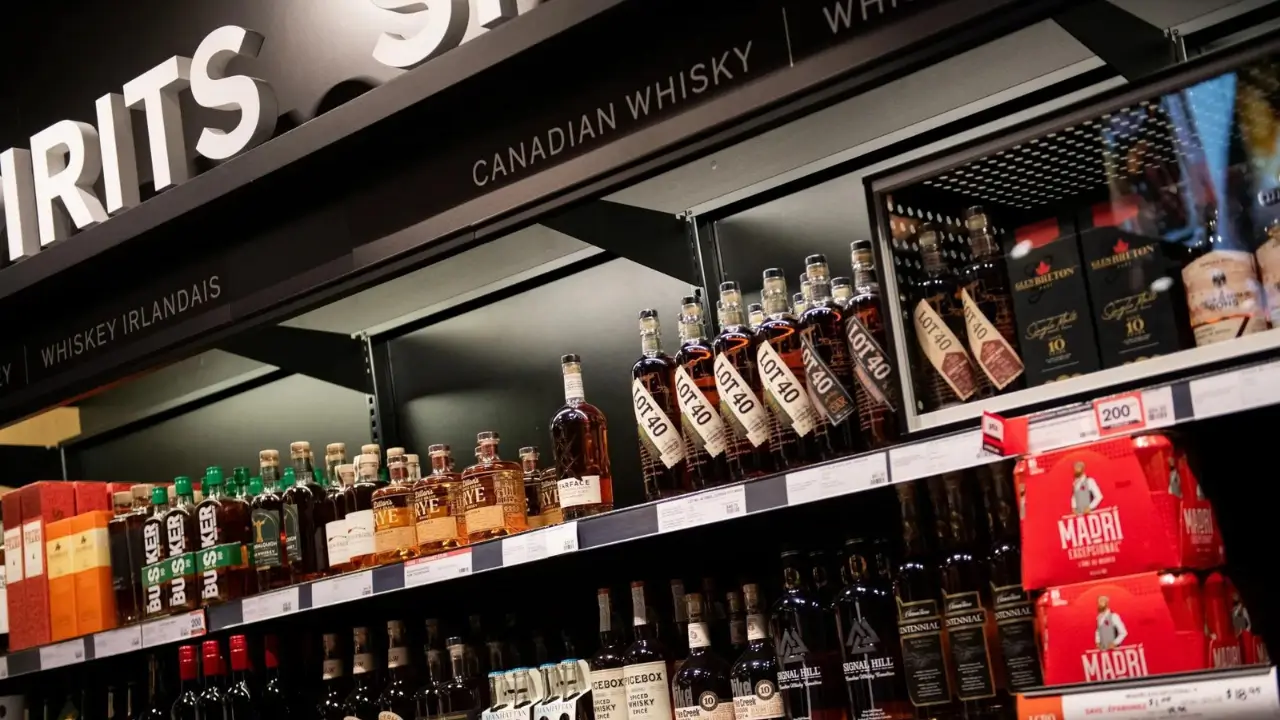
The alcohol restrictions affect a trade flow involving nearly 1 billion Canadian dollars, approximately US$710 million, in Canadian liquor exports to the United States, according to the BBC report.
The exposure is substantial for an industry heavily dependent on American customers. About 93% of Canadian liquor exports went to the United States in 2025.
Spirits Canada, which represents Canadian liquor producers, warned that the consequences for the industry “could be significant.”
American producers have also raised concerns. The Distilled Spirits Council said the import ban “will ripple throughout the US hospitality sector” as businesses prepare for the holiday season.
Dozens of American liquor producers signed an open letter to President Donald Trump last week, urging him to resolve the alcohol trade dispute with Canada.
Motorcycle exports represent a smaller trade flow. Canada exported about 5,000 motorcycles to the United States in 2025, worth approximately 120 million Canadian dollars, according to Statistics Canada figures cited by the BBC. That relatively low volume limits the measure’s broader economic impact.
Trump cites discrimination as Canada downplays national impact
Trump announced the import bans through executive orders signed Sept. 8, accusing Canada of “continued discrimination” against American dairy, automotive and alcohol products.
The US trade representative’s explanation of the measures described the targeted bans as a response to Canada’s retaliatory actions. United States Trade Representative
Speaking to reporters Monday, Trump accused Canada of “treating the United States very unfairly.”
“They have been one of the worst countries in the entire world,” he said.
Carney offered a different assessment earlier this month, saying the bans “are relatively modest measures” compared with other American trade actions against Canada. He nevertheless acknowledged the damage they would cause to directly affected businesses and sectors.
Derek Holt, an economist at Scotiabank, similarly argued that the measures were limited in economic significance.
“These actions are face-saving by the US administration, not substantive in nature and that’s a positive,” Holt wrote in an analysis.
Those assessments concern the bans’ overall economic scale. Industry warnings point to the more concentrated losses facing businesses that rely on access to American customers.
Washington signals no urgency to restart trade talks
Negotiations remain stalled, with US Trade Representative Jamieson Greer indicating that the administration sees little immediate pressure to reach an agreement.
In a CNBC interview last week, Greer said Trump was “comfortable” with the current relationship with Canada.
“They call us now and then and we have good conversations about potential deals. But there’s no urgency on our side,” Greer said.
Canadian economists and businesses have warned that the restrictions add uncertainty to the country’s relationship with its largest trading partner.
Canada is not expected to respond to the latest bans with another round of retaliatory measures, according to the BBC report.
Tariffs remain alongside the new restrictions
The import bans add to existing US tariffs of 50% on selected Canadian goods, including dairy, alcohol, steel and aluminum products, and 25% tariffs on Canadian-built cars.
Canada has imposed retaliatory tariffs ranging from 15% to 50% on more than 700 American products, along with a 25% levy on certain steel and aluminum products. Most Canadian provinces have also stopped selling American liquor.
Tariffs are taxes on imported goods, generally paid by importers. Trump argues that they generate government revenue and encourage purchases of American-made products. Economists have warned that the duties raise consumer prices and disrupt international trade.
The broader economic concerns predate the latest restrictions. In April 2025, JPMorgan raised its recession risk estimate amid warnings about the economic fallout from Trump’s tariffs.
For alcohol producers and hospitality businesses approaching the holiday season, industry efforts are now focused on securing a negotiated resolution. Neither government has announced when substantive trade talks will resume.