












WASHINGTON — U.S. visa revocations targeting fraud reached three new cases this week after the State Department confirmed it stripped entry rights from foreign nationals linked to investment theft, a $5 million Medicaid billing scheme, and a securities fraud operation built on forged documents.
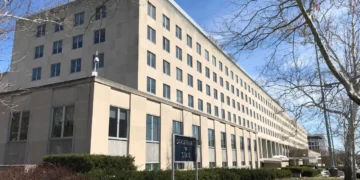
The U.S. State Department published the cases without naming the individuals, describing conduct it said exploited American investors, taxpayer-funded healthcare, and the U.S. immigration system.
The conviction in the Medicaid case underscores a pattern federal authorities say is increasingly common. Foreign nationals enter the United States on legitimate visas, establish business fronts in healthcare or finance, and systematically drain taxpayer-funded programs over months or years before detection. Officials say the scale of losses in such cases frequently runs into the millions before enforcement action is triggered.
Three Cases Behind the State Department Action
In the first case, a foreign national working as an investment adviser stole millions of dollars from clients seeking to grow their businesses and savings. The State Department said the individual abused client trust and destroyed their financial security. The visa was revoked.
The second case involved a foreign national who presented a legitimate healthcare access business to authorities. That individual was instead part of a Medicaid billing operation that submitted more than $5 million in claims for services never rendered. The person was charged with felony fraud and convicted of grand theft of $100,000 or more. The visa was revoked following the conviction.
In the third case, a foreign national built a company on fabricated revenue figures and deceived investors into parting with millions of dollars. That same individual then recycled the false financial claims and submitted forged letters to secure U.S. visa status. Charges in the case include securities fraud, wire fraud, visa fraud, and aggravated identity theft. The visa was revoked.
All three individuals are alleged to have not only defrauded American victims but to have used or abused U.S. immigration documents in the process. No findings of guilt should be inferred beyond those confirmed convictions stated above. All allegations remain subject to due process and the outcome of any active or pending court proceedings.
Record U.S. Visa Revocations Accelerate Under Trump
The State Department has paired the revocations push with sweeping new screening protocols, including a January 2026 suspension of immigrant visa issuance to nationals of 75 countries pending a full review of vetting procedures. The department has also issued a U.S. visa warning to foreign nationals seeking entry through fraudulent or misrepresented applications.
The administration has revoked more than 100,000 visas since returning to office in January 2025, a figure that exceeded the previous annual record and more than doubled the pace recorded under President Joe Biden in 2024. Secretary of State Marco Rubio has presided over the acceleration, which has extended to visa holders with minor infractions as well as those facing serious criminal charges.
The U.S. State Department has paired the revocation push with sweeping new screening protocols, including a January 2026 suspension of immigrant visa issuance to nationals of 75 countries pending a full review of vetting procedures.
Medicaid Fraud Draws Federal Heat Across Agencies
The Medicaid-linked revocation sits inside a broader federal enforcement campaign targeting abuse of taxpayer-funded health programs. President Trump signed an executive order in March 2026 establishing a Task Force to Eliminate Fraud, chaired by Vice President J.D. Vance, with Medicaid integrity as a central target.
The Centers for Medicare and Medicaid Services has since issued provider revalidation demands across multiple states and announced reviews of every state-level Medicaid Fraud Control Unit. In June 2026, Hawaii became the first state to lose its fraud control unit’s federal certification under the new scrutiny regime.
The State Department did not indicate whether any of the three individuals remain in the United States or whether criminal proceedings are active in any of the cases.