














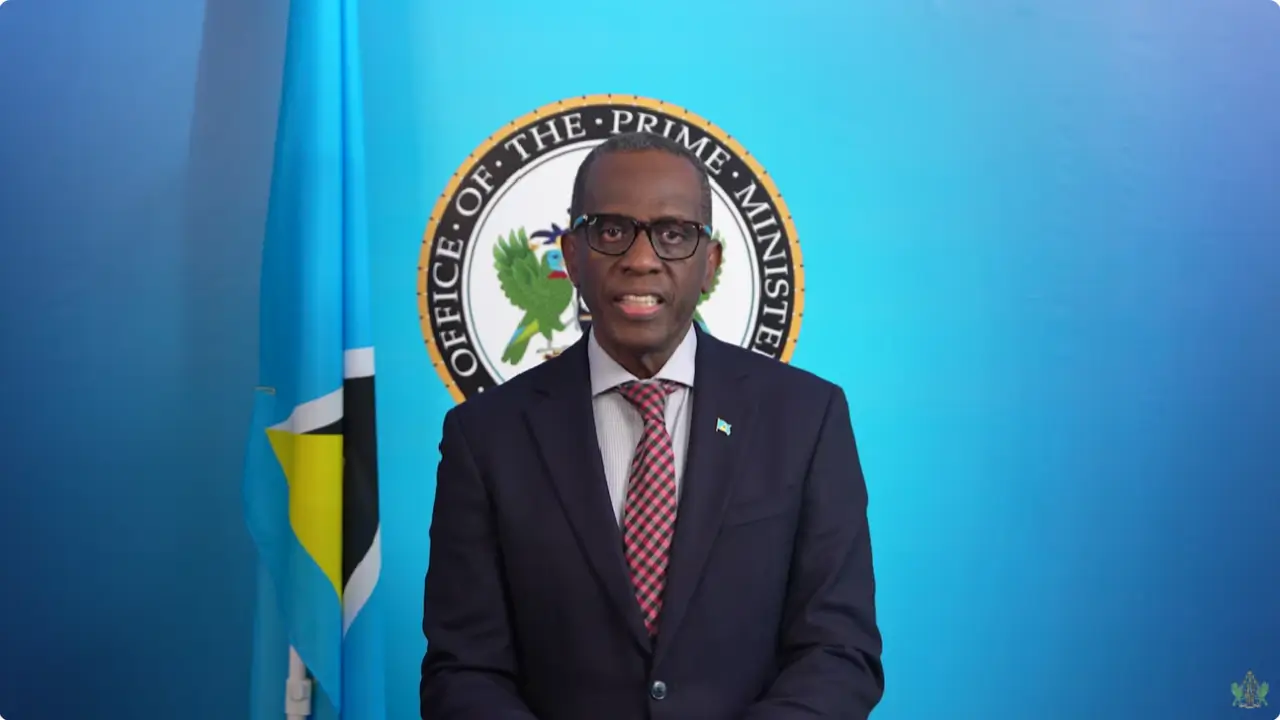
CASTRIES, St Lucia — The Caribbean CBI Brussels mission, planned by regional leaders including St Lucia’s Philip J. Pierre, comes after the European Union set a June 2028 deadline for citizenship by investment programmes across the Eastern Caribbean to end.
The stakes are no longer hypothetical. Saint Lucian passport holders have already lost visa-free access to the United Kingdom and Ireland this year, in decisions both governments linked in part to concerns over Caribbean citizenship by investment programmes. A loss of Schengen access would strike at a far larger travel market still.
EU letter sets 2028 deadline for CBI programmes
The European Commission’s demand rests on a revised Visa Suspension Mechanism, Regulation (EU) 2025/2441, which entered into force on December 30, 2025. Under the new framework, the mere operation of a citizenship by investment programme, regardless of the strength of a country’s vetting procedures, is now grounds on its own for suspending visa-free travel to the bloc. Eastern Caribbean CBI states received formal letters from the Commission setting June 1, 2028, as the deadline for winding the programmes down, with a 24-month transition period.
The revised rules also lower the bar for triggering suspension more broadly. The Commission can now act where irregular stays or serious criminal offenses linked to a visa-exempt country’s nationals rise by 30 percent, or where the recognition rate for that country’s asylum applicants falls below 20 percent, though it retains discretion to apply different thresholds case by case. Interim measures tied to the CBI letters are due to take effect no later than September 2026, including the exclusion of individuals under EU restrictive measures and reinforced vetting across all nationalities.
Malta ruling hardened the EU’s legal position
The Commission’s stance was reinforced by a European Court of Justice ruling on April 29, 2025, in a case the Commission had brought against Malta. The court found that Malta’s citizenship-by-investment pathway breached EU law by granting citizenship in exchange for financial investment without requiring a genuine connection to the country, and ordered the programme discontinued.
The ruling did not concern the Eastern Caribbean directly, since Malta’s programme granted EU citizenship itself rather than visa-free access to it. But the Commission has since pointed to the judgment as confirmation that investor citizenship schemes conflict with the underlying principles of EU membership and visa policy, a position now folded into its demands on the Caribbean CBI states.
The mechanism has already been used once since taking effect. In March 2026, the Commission suspended visa-free travel for holders of Georgian diplomatic and official passports over concerns unrelated to citizenship by investment, citing what it called deliberate backsliding on democracy and fundamental rights. The Georgia case does not involve CBI, but it shows the Commission is prepared to activate the revised mechanism in practice, not only threaten it.
UK and Ireland have already ended visa-free access
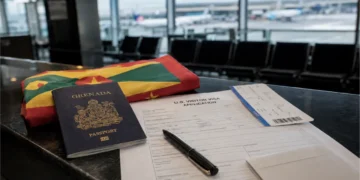
The United Kingdom removed Saint Lucia, along with Nicaragua, from its Electronic Travel Authorisation list effective March 5, 2026, under a Statement of Changes to the Immigration Rules that ended an arrangement letting Saint Lucians enter for tourism, business, or short-term study without a traditional visa. A six-week transition allowed travelers with an ETA booked before the change to still enter until April 16.
British officials cited a rise in asylum claims from Saint Lucian nationals, more than 360 between 2022 and 2025 according to the UK Home Office, alongside concerns tied to the CBI programme. The UK government’s own explanatory memorandum on the change also cited a 423 percent annual increase in applications to Saint Lucia’s citizenship by investment programme in the 2023-24 period, the most recent year for which figures were available, and said the growth had coincided with a rise in cases of Saint Lucian passports being used to access the UK for asylum claims or unauthorized work.
Ireland followed on June 15, 2026, requiring visas from Saint Lucia, St Kitts and Nevis, and Nicaragua across all passport categories, including diplomatic and service passports, with a transit visa required for travelers passing through Irish airports. Ireland’s Minister for Migration, Colm Brophy, said the move was intended to keep the country’s immigration policy consistent with the United Kingdom’s under the Common Travel Area and with the rest of Europe. A limited transition allowed travelers who had already booked trips before June 15 to enter without a visa through July 14.
Neither government has announced a timeline for reversing its decision, and the Government of Saint Lucia has said it remains in diplomatic discussions with both.
Regional leaders defend reforms, resist unilateral pressure
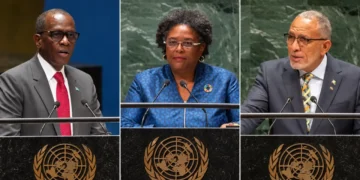
Prime Minister Philip J. Pierre joined the leaders of Dominica, Antigua and Barbuda, Grenada, and St Kitts and Nevis for the meeting in Roseau on July 10, held under the chairmanship of Dominica’s Prime Minister Roosevelt Skerrit. St Vincent and the Grenadines Prime Minister Godwin Friday also attended, though his country does not yet operate a CBI programme.
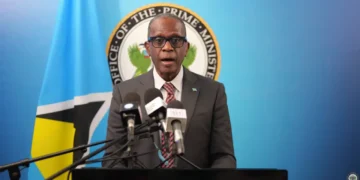
Pierre said the participating governments had already introduced stronger due diligence procedures, expanded information sharing, and established the Eastern Caribbean Citizenship by Investment Regulatory Authority to harmonize oversight across the five programmes, and he described the outcome of the meeting in a statement, saying the leaders agreed on one fundamental principle, that the relationship with the European Union matters and that dialogue should remain respectful and constructive. Pierre has previously said Saint Lucia has no intention of stopping the programme, vowing instead to strengthen it.
The leaders’ joint statement does not directly address the 2028 deadline or the possibility of refusal. Its firmest language instead concerns the terms of any transition, stating that changes affecting CBI revenue must account for the economic realities and development vulnerabilities of small island developing states. Regional governments maintain that programme revenue has funded infrastructure, healthcare, housing, education, and climate and disaster resilience, and has reduced reliance on borrowing during periods of economic strain.
What the Caribbean CBI Brussels Mission Will Cover
The heads of government agreed to send a high-level mission to Brussels to meet directly with the President of the European Commission, the President of the European Council, and the EU’s High Representative for Foreign Affairs and Security Policy. No date has been set. Foreign ministers, CBI ministers, ambassadors, and senior officials have been instructed to coordinate outreach to European institutions and capitals in the meantime, with discussions expected to extend beyond compliance into development financing, climate cooperation, and economic diversification.
For Saint Lucia, the outcome will hinge on whether the Commission accepts the reforms already made, including the regional regulator and tightened vetting, as sufficient, or presses for the programme’s dismantling regardless. With the UK and Ireland precedents already in place, a legal foundation now set by the Malta ruling, and Brussels holding to its 2028 timeline, the coming diplomatic push will determine whether the St Lucia CBI programme survives in its current form.